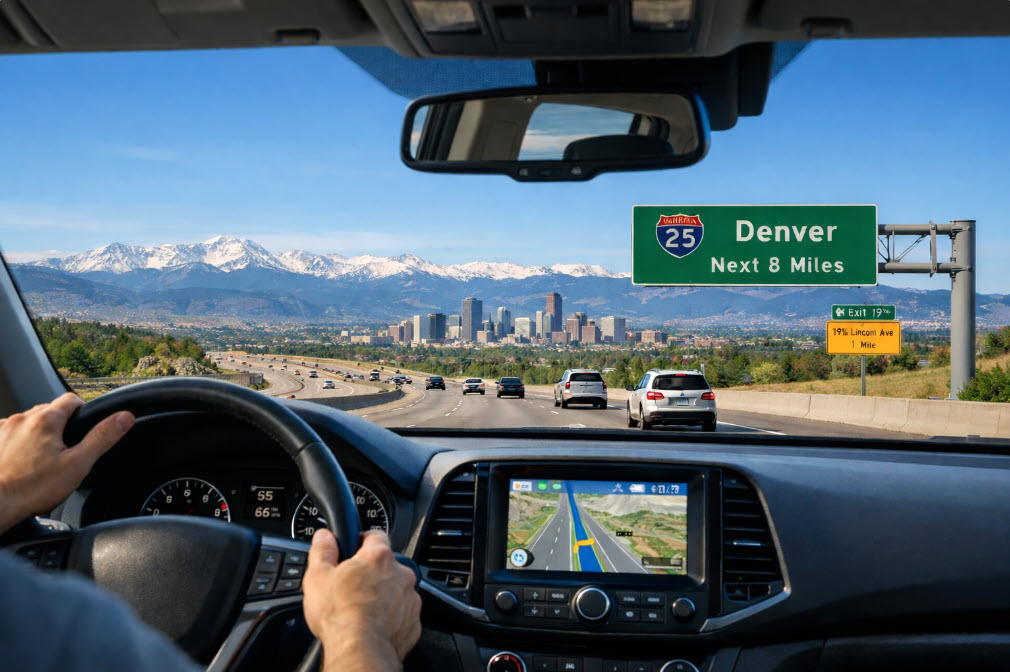
Auto insurance protects Colorado drivers against the financial consequences of accidents, vehicle damage and liability claims. From hailstorms along the Front Range to winter driving on mountain highways, Colorado presents risks that can affect both premiums and coverage needs. Understanding the differences between liability, collision and comprehensive insurance can help you choose protection that fits your vehicle, driving habits and budget.
Most auto insurance policies offer several types of coverage, each protecting against different losses:
| Coverage | What It Covers |
|---|---|
| Liability | Injuries or property damage you cause to others in a covered accident |
| Collision | Damage to your vehicle from a covered collision or rollover |
| Comprehensive | Non-collision damage such as hail, theft, fire, vandalism and animal strikes |
| Uninsured/Underinsured Motorist | Covered bodily injuries caused by drivers with no insurance or insufficient liability coverage |
| Medical Payments | Eligible medical expenses for you and your passengers, regardless of fault |
| Rental Reimbursement | Transportation expenses while your vehicle is being repaired after a qualifying covered loss |
Liability insurance does not pay to repair your own vehicle. Collision and comprehensive coverage are generally optional under Colorado law, although lenders and leasing companies commonly require both.
Colorado requires most drivers to carry minimum liability limits of 25/50/15. These amounts represent the maximum your insurer pays for covered bodily injury and property damage claims, subject to policy terms.
| Required Liability Coverage | Minimum Limit |
|---|---|
| Bodily Injury Per Person | $25,000 |
| Bodily Injury Per Accident | $50,000 |
| Property Damage Per Accident | $15,000 |
These limits satisfy Colorado’s general legal minimum but may not adequately protect you after a serious accident. Higher liability limits can help reduce your financial exposure when medical bills, vehicle repairs or legal claims exceed the minimum coverage.
Colorado insurers must also offer uninsured/underinsured motorist bodily injury coverage and medical payments coverage, subject to applicable rejection and opt-out requirements. Reviewing these protections is important when comparing policies.
Colorado’s weather, road conditions and vehicle risks can influence both insurance premiums and the types of coverage drivers need.
Hail can cause extensive vehicle damage across Denver, Colorado Springs and other Front Range communities. Comprehensive insurance generally covers qualifying hail damage, subject to your deductible. Liability-only policies do not protect your own vehicle against hail, theft or other non-collision losses.
Snow, ice, steep grades and changing road conditions create additional driving challenges on highways such as I-70 and mountain passes. Collision coverage generally helps repair or replace your vehicle after a covered crash, including sliding into another vehicle or a guardrail.
If another driver causes an accident but lacks adequate insurance, uninsured/underinsured motorist coverage may help pay for covered injuries. This protection is different from collision coverage, which generally addresses damage to your vehicle.
Commuting to work is generally different from making deliveries, transporting passengers for payment or using a business-owned vehicle. Certain work activities require additional insurance or a commercial policy. Learn more about Colorado commercial auto insurance and when business vehicle coverage may be necessary.
For 2026, approximately $2,600 to $3,200 annually is a useful planning range for a single vehicle with standard full coverage and a relatively clean driving record. Your actual premium depends on driving history, location, vehicle type, annual mileage, coverage limits and deductibles.
Our detailed guide to Colorado auto insurance costs explains the factors influencing premiums and what drivers should consider when evaluating coverage.
Several strategies may help lower premiums without sacrificing important protection:
Bundling can provide meaningful savings for eligible households. Learn how home and auto insurance discounts work and when combining policies may be beneficial.
Insurance companies evaluate drivers and vehicles differently. An independent broker can compare available options from multiple carriers, helping you understand differences in premiums, liability limits, deductibles and optional coverage.
Castle Rock Insurance and its partners help Colorado drivers explore auto insurance options for new vehicles, existing policies, multiple-car households and more challenging driving histories. The goal is to identify suitable protection at a competitive price rather than focusing on the lowest premium alone.
No. Colorado generally requires liability insurance, not collision or comprehensive coverage. However, lenders and leasing companies commonly require both physical damage coverages for financed or leased vehicles.
Comprehensive insurance generally covers qualifying hail damage, subject to your deductible and policy terms. Liability-only insurance does not cover hail damage to your own vehicle.
Uninsured motorist bodily injury coverage may help pay for covered injuries. Vehicle damage may be covered under collision coverage or another applicable policy provision.
Many policies cover occasional permissive drivers, but exclusions and restrictions may apply. Household members and regular drivers should be accurately disclosed to your insurer.
It depends on the vehicle’s value, your deductible and your ability to pay for repairs or replacement. Removing physical damage coverage can lower premiums but leaves you responsible for losses that would otherwise have been covered.
Get in touch with Castle Rock Insurance for a custom auto insurance quote today. We can help you get affordable coverage to meet your needs.
