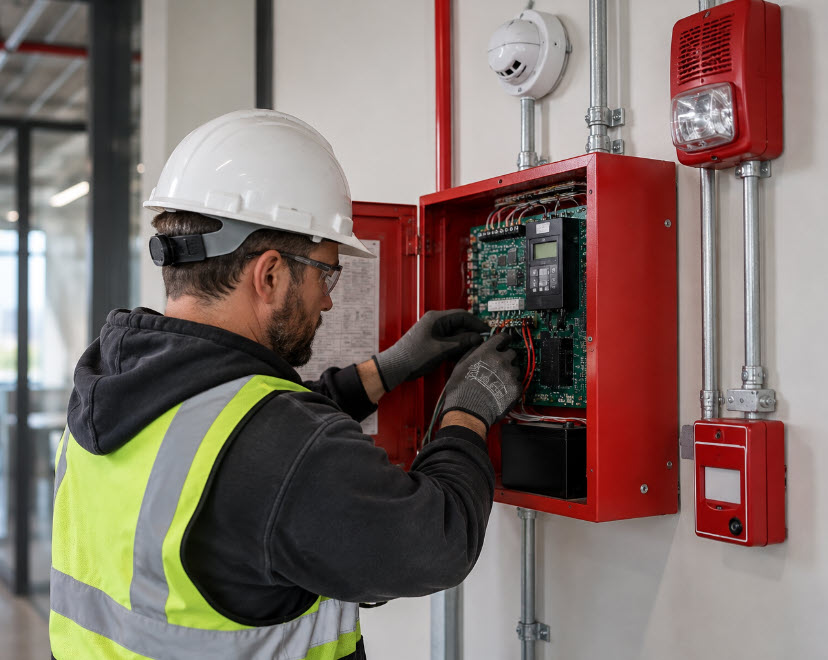
Fire alarm system contractors throughout Colorado install, inspect, test, repair and maintain life-safety systems in commercial buildings, multifamily properties and other occupied facilities. Their work may include smoke and heat detectors, control panels, notification devices, low-voltage wiring and connections to monitoring services.
Because these systems are designed to warn occupants during emergencies, fire alarm contractors can face liability exposures beyond those of an ordinary electrical contractor. Installation errors, failed inspections or alleged system malfunctions can lead to substantial property damage or serious injury claims. Insurance should reflect the services performed, project sizes, employees and responsibilities involving system design, testing and monitoring.
How Much Does Fire Alarm Contractor Insurance Cost in Colorado?
In 2026, a smaller Colorado fire alarm installation contractor may budget approximately $1,000 to $3,500 per year for general liability insurance, although actual premiums can fall outside this range. Contractors performing basic installation and maintenance may be evaluated differently from businesses designing complex commercial systems or providing inspections and monitoring services.
A broader insurance program may cost approximately $4,000 to $12,000 or more annually when professional liability, workers compensation, commercial auto and tools and equipment coverage are included. Revenue, payroll, project values, claims history and the extent of life-safety responsibilities all affect pricing. These figures are general planning estimates rather than guaranteed premiums.
What Insurance Does a Fire Alarm Installation Contractor Need?
General liability insurance can help address certain third-party bodily injury and property damage claims arising from installation or service work. Products and completed-operations coverage is also important because claims may arise after a fire alarm system has been installed and placed into service.
Professional liability or errors and omissions insurance may help address certain claims involving mistakes in system design, programming, inspections, testing or other professional services. Contractors should confirm that their policy specifically addresses fire alarm operations rather than assuming an ordinary professional liability policy provides adequate protection.
Businesses with employees will generally need workers compensation insurance, subject to Colorado’s limited exceptions. Contractors using company trucks or vans should also consider commercial auto insurance, while portable testing equipment, tools and installation materials may need inland marine insurance.
Why Are Fire Alarm Contractors Challenging to Insure?
Some standard commercial insurance companies are cautious about fire alarm contractors because their work involves systems intended to detect emergencies and warn building occupants. If a system allegedly fails to activate, transmit a signal or operate as intended, a resulting claim could involve extensive property damage, serious injuries or fatalities.
Underwriting becomes more complex when contractors provide system design, inspections, certification, monitoring or ongoing maintenance rather than installation alone. These responsibilities can create professional and completed-operations exposures that may not be adequately addressed by an ordinary contractor liability policy.
Can Specialty Insurance Markets Help Fire Alarm Contractors?
When standard insurance companies are unwilling to consider a fire alarm contractor, specialty commercial insurance markets may offer additional options. Certain specialty programs consider alarm installation, fire protection and other life-safety operations, sometimes with coverage addressing professional services, completed operations and specified failure-to-perform exposures.
Availability depends on the contractor’s operations and underwriting eligibility. Owners should carefully review exclusions involving failure to detect, warn or respond to an emergency, along with restrictions on inspection, testing, monitoring or system design services. Specialty coverage should not be assumed to protect against every possible system failure.
What Does Colorado Require of Fire Alarm Contractors?
Colorado does not have one universal statewide fire alarm contractor license covering every installation. Under Colorado’s electrical licensing statutes, certain fire alarm systems operating at 50 volts or less are exempt from state electrical licensing requirements. However, this exemption does not eliminate applicable building permits, fire codes, inspections or other project-specific requirements.
Contractors should review the Colorado electrical licensing statutes and verify local requirements with the authority having jurisdiction. Depending on the project, applicable standards may include NFPA 72, adopted building and fire codes and qualifications involving NICET certification or other recognized credentials. Work outside an applicable licensing exemption may require appropriately licensed electrical professionals.
Does Insurance Cover Fire Alarm System Failures?
Coverage depends on the cause of loss and the policy’s terms. Claims may arise if an alarm allegedly fails during an emergency, a notification device does not operate correctly or an inspection or testing error contributes to property damage or injury.
General liability, completed-operations coverage and professional liability should be reviewed together, particularly when the contractor assumes responsibility for system performance. Exclusions involving faulty workmanship, contractual liability, professional services or failure to detect and warn can materially affect coverage.
What Do Insurance Companies Look at When Insuring Fire Alarm Contractors?
Underwriters may review annual revenue, payroll, years in business, claims history, project values and the percentage of residential versus commercial work. They may also ask whether the contractor performs installation only or provides system design, inspections, testing, monitoring, maintenance or certification.
Employee qualifications, NICET credentials, subcontractor use, written service agreements and documented inspection procedures can also affect eligibility. Contractors working on hospitals, schools, large commercial buildings or other complex facilities may face additional underwriting scrutiny.
How Can Fire Alarm Contractors Improve Insurance Eligibility?
Accurately describing the scope of work is one of the most important steps. A contractor installing devices from approved plans may present a different exposure from a business designing complete fire alarm systems or operating a monitoring center. Separating revenue by installation, inspection, maintenance, design and monitoring can help insurers evaluate the operation.
Documented employee training, appropriate certifications, maintenance records, quality-control procedures and clear customer contracts may also support underwriting. Contractors should disclose subcontracted work and verify that their insurance reflects the services and responsibilities they actually undertake.
Find Insurance Coverage for Your Colorado Fire Alarm Contracting Business
Whether your business installs commercial fire alarm systems, performs inspections and testing or provides ongoing life-safety system maintenance, Castle Rock Insurance and its partners can help explore standard and specialty insurance markets based on your operations and underwriting requirements. Contractors facing placement challenges may have additional options through specialty markets, depending on eligibility. Contact us today to request a Colorado fire alarm system installation contractor insurance quote.