Drywall contractors work throughout Colorado installing, finishing and repairing walls and ceilings in homes, apartment communities, offices, retail properties and larger commercial buildings. Whether a business handles residential repairs, complete drywall installation or large commercial projects, its insurance needs can include job-site liability, employee injuries, tools, vehicles and contractual coverage requirements.
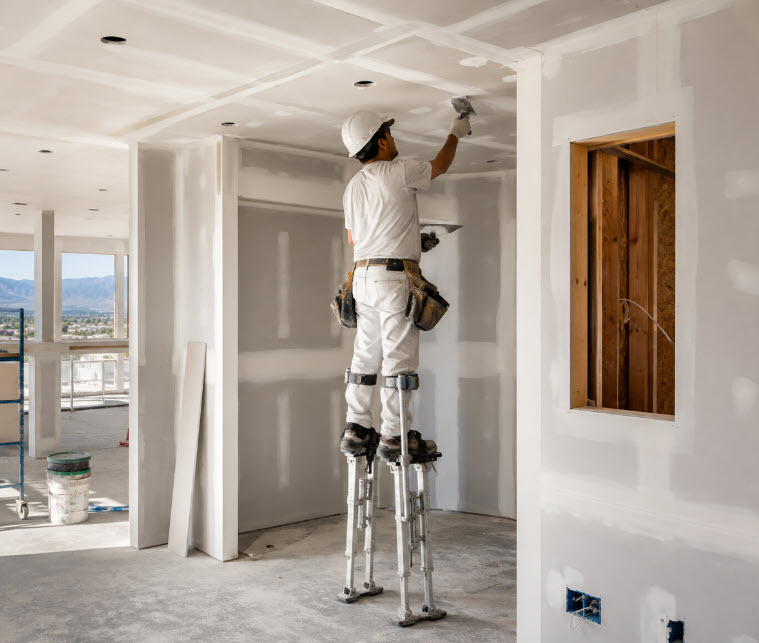
Drywall work creates risks that are specific to the trade. Heavy sheets must be carried through finished properties, crews frequently work overhead or from ladders and scaffolding and tools and materials move between job sites. General contractors, developers and property owners may also require proof of insurance before work begins.
How Much Does Drywall Contractor Insurance Cost in Colorado?
In 2026, a smaller Colorado drywall contractor may pay approximately $500 to $2,000 per year for general liability insurance, although premiums can fall outside this range. Owner-operated businesses focused on residential repairs or smaller installations may fall toward the lower end, while contractors with employees, larger commercial projects, higher revenues or significant subcontractor exposure may pay more.
A broader drywall contractor insurance program may cost approximately $3,000 to $15,000 or more per year when workers compensation, commercial auto, tools and equipment and higher liability limits are included. Larger companies with multiple crews, substantial payroll and commercial vehicles can pay considerably more. Revenue, payroll, project size, working height, claims history, subcontractors and vehicle use can all affect pricing.
What Insurance Does a Colorado Drywall Contractor Need?
Most drywall contractors should consider general liability insurance for certain third-party bodily injury and accidental property damage claims. For example, drywall sheets or equipment could damage finished property or someone outside the business could be injured around materials at a job site. Contractors should make sure hanging, finishing, repair and any additional trades they perform are accurately represented on the policy.
Drywall businesses may also need tools and equipment insurance for eligible drywall lifts, screw guns, sanders, compressors and other movable equipment. Companies using pickups, vans or other business vehicles should consider commercial auto insurance. Larger contractors may also need commercial umbrella insurance when project contracts require higher liability limits.
What Does Colorado Require of Drywall Contractors?
Colorado does not currently have one universal statewide drywall contractor license. Contractor licensing, registration, permits and insurance requirements can instead depend on the city or county where the work is performed. A drywall company operating in Denver, Castle Rock, Aurora, Colorado Springs or another Colorado jurisdiction should verify applicable local requirements before beginning work or pulling permits.
Workers compensation is an important statewide requirement. Colorado employers with one or more full- or part-time employees generally must maintain workers compensation insurance, subject to limited exceptions. The Colorado Department of Labor and Employment provides current guidance on employer coverage requirements, exemptions and independent contractors.
Colorado does not impose one universal general liability limit on every drywall contractor statewide. Instead, liability requirements may come from local contractor-registration rules, general contractors, developers, property owners or individual contracts. Depending on the project, a contractor may need to provide a certificate of insurance, additional insured status, a waiver of subrogation or higher liability limits.
What Do Insurance Companies Look at When Insuring Drywall Contractors?
Insurance companies generally want to understand exactly what the business does. Underwriters may ask what percentage of revenue comes from drywall hanging, taping, mudding, sanding, repairs, ceilings or texture work and whether the company also performs framing, insulation, painting or other trades. Annual revenue, payroll, employee experience, claims history, maximum project size, residential versus commercial work, subcontractor use and commercial vehicles can also affect eligibility and pricing.
Working height can be particularly important because drywall crews may use ladders, stilts, lifts or scaffolding to complete ceilings and taller walls. A solo contractor handling residential patches and remodels presents a different exposure than a company with multiple crews working on large apartment or commercial projects.
How Do Commercial Projects and Subcontractors Affect Coverage?
Commercial drywall projects often have insurance requirements established by a general contractor, developer or property owner. These can include general liability, workers compensation, commercial auto, additional insured endorsements, waivers of subrogation or umbrella coverage. Reviewing these requirements before bidding can help identify what coverage and documentation will be needed before work begins.
Drywall companies that use subcontractors should also disclose how much work is subcontracted. Insurance companies may require subcontractors to maintain their own general liability and workers compensation coverage, and written agreements and certificates of insurance can become important during underwriting and policy audits.
What About Drywall Dust and Employee Safety?
Drywall employees regularly lift and position heavy panels, work overhead and use ladders, stilts, lifts and power equipment. Hanging, finishing and sanding can therefore create meaningful workers compensation exposures. Contractors should maintain appropriate safety procedures for the work their employees perform, including dust-control practices where applicable.
Insurance Companies That May Cover Colorado Drywall Contractors
Castle Rock Insurance is a Colorado insurance agency that works with its partners to help drywall contractors explore standard and specialty commercial insurance markets. Depending on the company’s operations, payroll, project size, working height, vehicles, subcontractors and claims history, options may be available through The Hartford and other construction-focused insurance markets that consider drywall contractors. Carrier appetite can vary between smaller residential installers and larger commercial drywall companies, so Castle Rock Insurance and its partners can help review the business and compare available coverage options.
Get a Colorado Drywall Contractor Insurance Quote
Whether your business handles drywall repairs, hanging and finishing or larger residential and commercial projects, Castle Rock Insurance and its partners can help you explore insurance options for your liability, employees, vehicles and equipment. Contact us today to compare available coverage options and request a Colorado drywall contractor insurance quote.