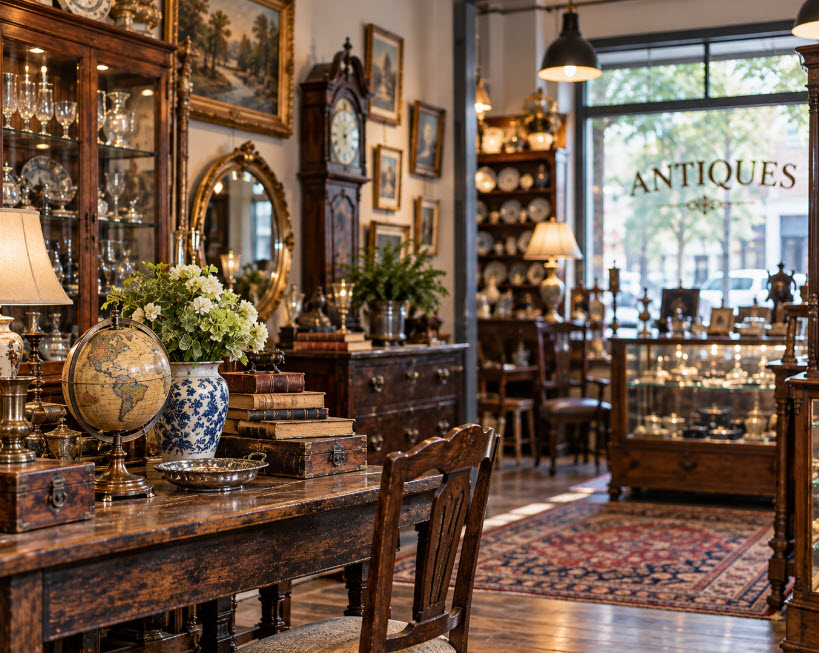
Antique stores throughout Colorado sell vintage furniture, collectibles, artwork, jewelry, decorative pieces and other merchandise that can be difficult to replace. From Denver’s Antique Row to independent shops in Colorado Springs, Loveland, Salida and other communities, these businesses often carry inventory with unusual values and limited availability.
Unlike ordinary retailers, antique dealers may own some merchandise while holding other items on consignment. Valuable inventory, fragile collectibles, customer traffic and merchandise transported to shows or auctions create specialized insurance needs. Coverage should reflect how the business acquires, values, stores and sells its inventory.
How Much Does Antique Store Insurance Cost in Colorado?
In 2026, a smaller Colorado antique store may budget approximately $1,500 to $5,000 per year for a commercial insurance program, although premiums can fall outside this range. A modest shop selling vintage furniture and household collectibles may cost less to insure than a dealer specializing in expensive jewelry, fine art or rare antiques.
Larger stores, high-value collections, substantial consigned inventory and businesses regularly attending antique shows may pay $5,000 to $10,000 or more annually. Inventory values, location, security, prior claims and selected coverage limits all affect pricing. These figures are general planning estimates rather than guaranteed premiums.
What Insurance Does a Colorado Antique Store Need?
Many antique stores can begin with a Business Owner’s Policy (BOP), which may combine general liability, commercial property and business income coverage. This can provide a foundation for customer injuries, covered property losses and certain interruptions following a covered event.
Antique dealers should also consider whether standard property coverage adequately addresses valuable inventory, consigned merchandise, accidental breakage and property transported between locations. Specialized dealer inventory or inland marine coverage may be appropriate depending on the merchandise and business operations.
How Are Valuable Antiques and Collectibles Insured?
Commercial property insurance can help protect eligible inventory, furniture, fixtures, equipment and tenant improvements against covered losses. However, antiques can be difficult to value because many items are rare, discontinued or impossible to replace with an identical piece.
Owners should review whether inventory is insured using actual cash value, replacement cost, selling price, agreed value or another valuation method. Specialized antique dealer policies may offer different valuation provisions, while particularly valuable pieces may require individual documentation, appraisals or scheduled coverage.
Does Antique Store Insurance Cover Consigned Merchandise?
Many antique stores sell furniture, artwork, jewelry and collectibles belonging to individual collectors or other dealers. These arrangements create an important insurance consideration because the store may be responsible for property it does not legally own.
Owners should confirm whether their policy covers property of others while it is in the store’s care, custody or control. Written consignment agreements, inventory records and documented values can help establish ownership and responsibility if merchandise is stolen, damaged or destroyed.
What About Accidental Breakage and Theft?
Antique stores often display fragile glassware, ceramics, mirrors, artwork and other merchandise that can be damaged during handling or customer browsing. Accidental breakage is not automatically covered under every commercial property policy, so owners should review exclusions and available specialty protection.
Theft and burglary are additional concerns, particularly for dealers carrying jewelry, coins, watches, silver or other easily transported valuables. Insurers may consider surveillance cameras, alarm systems, safes and inventory controls when evaluating coverage. Employee theft may require separate commercial crime or employee-dishonesty protection.
Are Antiques Covered While Traveling to Shows or Auctions?
Antique dealers frequently transport merchandise to auctions, estate sales, exhibitions and antique shows. Ordinary property insurance written for a fixed storefront may not adequately cover inventory while it is being transported or displayed elsewhere.
Inland marine insurance or specialized dealer coverage may help protect eligible merchandise in transit, temporary storage or off-premises exhibitions. Owners should review transportation conditions, per-item limits and whether coverage applies during loading, unloading and shipping.
Does an Antique Store Need General Liability Insurance?
General liability insurance can help address certain claims involving customer injuries or third-party property damage. Antique stores may have narrow aisles, heavy furniture, fragile displays and valuable merchandise that customers regularly examine.
Landlords may also require liability insurance before leasing commercial space. Coverage limits should reflect customer traffic and additional services such as furniture delivery, restoration work or off-site antique shows.
What Happens if an Antique Store Has to Close?
A fire, major water loss or other covered property event can interrupt sales while rent, payroll and other expenses continue. Business income coverage may help replace lost income and certain continuing expenses during a qualifying shutdown.
Antique dealers should consider how long it could take to reopen and rebuild their inventory. Replacing ordinary retail merchandise can be much easier than sourcing rare furniture, artwork or collectibles with comparable characteristics and value.
What Do Insurance Companies Look at When Insuring Antique Stores?
Underwriters may review annual revenue, total inventory value, maximum value per item, building construction, security measures, prior claims and whether the premises are owned or leased. Merchandise type is particularly important because antique furniture presents a different exposure from fine jewelry, coins, rare artwork or fragile collectibles.
Insurers may also ask about consignment arrangements, appraisals, online sales, shipping, restoration work and participation in antique shows. Accurate inventory records and documentation of valuable items can help establish appropriate coverage limits and support underwriting.
Can Specialty Insurance Markets Help Antique Dealers?
Some antique stores may not fit standard retail insurance underwriting because of unusually valuable merchandise, difficult inventory valuation or extensive consignment arrangements. Specialty antique dealer, fine art and collectibles insurance markets may provide additional options for these exposures.
Specialized policies may offer different approaches to inventory valuation, off-premises coverage, consigned merchandise and accidental breakage. Availability depends on the merchandise, documented values, security measures, claims history and individual underwriting requirements.
Find Insurance Coverage for Your Colorado Antique Store
Whether you operate a neighborhood antique shop, vintage furniture store, collectibles dealership or business specializing in rare merchandise, Castle Rock Insurance and its partners can help explore standard and specialty insurance markets based on your inventory, property, liability and consignment exposures. Contact us today to request a Colorado antique store insurance quote and review available coverage options.