Liquor liability insurance helps protect Colorado businesses that sell, serve, manufacture or distribute alcoholic beverages against certain alcohol-related liability claims. Restaurants, bars, taverns, breweries, taprooms, wineries, distilleries and liquor stores can face significant financial exposure when an intoxicated customer causes an accident, injury or property damage. Castle Rock Insurance helps Colorado businesses explore commercial insurance options based on their operations, alcohol exposure and overall risk.
What Is Liquor Liability Insurance?
Liquor liability insurance is commercial liability coverage designed for businesses involved in selling or serving alcohol. If alcohol sold or served by an insured business allegedly contributes to a covered injury or property damage claim, the policy may help pay legal defense expenses, settlements or judgments, subject to the policy’s coverage terms, limits and exclusions.
Liquor liability coverage is different from ordinary commercial general liability insurance. General liability protects against many common third-party bodily injury and property damage claims, but businesses that regularly sell or serve alcohol can have exposures that require dedicated liquor liability coverage.
Colorado Dram Shop Law and Liquor Liability
Colorado law limits when an alcohol licensee can be held civilly liable for injuries caused by an intoxicated person, but important exceptions apply. Under C.R.S. § 44-3-801, liability may arise when a licensee willfully and knowingly sells or serves alcohol to someone who is under 21 years old or visibly intoxicated. The statute also places limitations on these claims and generally requires an action against a licensee to be commenced within one year after the sale or service. Businesses should review the current Colorado Revised Statutes or consult qualified legal counsel about how these rules apply to a specific situation.
What Does Liquor Liability Insurance Cover?
A liquor liability policy may respond when a business is accused of improperly selling or serving alcohol and that alcohol consumption allegedly contributes to an injury or property damage. A common example is a claim alleging that a visibly intoxicated customer was served additional alcohol and later caused a serious automobile accident.
Coverage may also help defend the insured business against a covered allegation even when it disputes responsibility. Legal expenses can become substantial following a serious alcohol-related incident, which makes defense coverage an important component of a liquor liability policy.
How Much Does Liquor Liability Insurance Cost in Colorado?
Liquor liability insurance in Colorado may cost approximately $500 to $5,000 or more per year for many small businesses, although premiums vary significantly by operation. A restaurant with modest alcohol sales may pay considerably less than a bar or late-night establishment where alcohol represents a large percentage of revenue. Insurers can consider annual liquor sales, percentage of revenue generated by alcohol, operating hours, entertainment, security, employee alcohol-service training, claims history, location and coverage limits when calculating premiums. See our detailed guide to liquor liability insurance costs in Colorado for additional pricing information.
Who Needs Liquor Liability Insurance in Colorado?
Businesses that regularly sell or serve beer, wine or liquor should evaluate liquor liability coverage as part of their commercial insurance program. Restaurants, bars, taverns, breweries, taprooms, wineries, distilleries and liquor stores can all have meaningful alcohol-related liability exposure, although the degree of risk differs substantially between business types.
A restaurant deriving a relatively small percentage of its revenue from beer and wine presents a different underwriting profile from a tavern where alcohol generates most of its sales. Likewise, a brewery with a small taproom can be evaluated differently from a late-night bar with security personnel, entertainment and heavy liquor sales.
Liquor Liability Insurance for Colorado Restaurants
Restaurants are among the most common businesses needing liquor liability coverage because alcohol service is often combined with high customer volume and evening operating hours. Underwriters may review alcohol-to-food sales, closing time, type of alcohol served, employee training and prior losses. Restaurants with modest alcohol sales can have substantially different pricing and carrier options than establishments operating primarily as bars. Learn more about combining these coverages through Colorado restaurant insurance.
Liquor Liability Insurance for Bars and Taverns
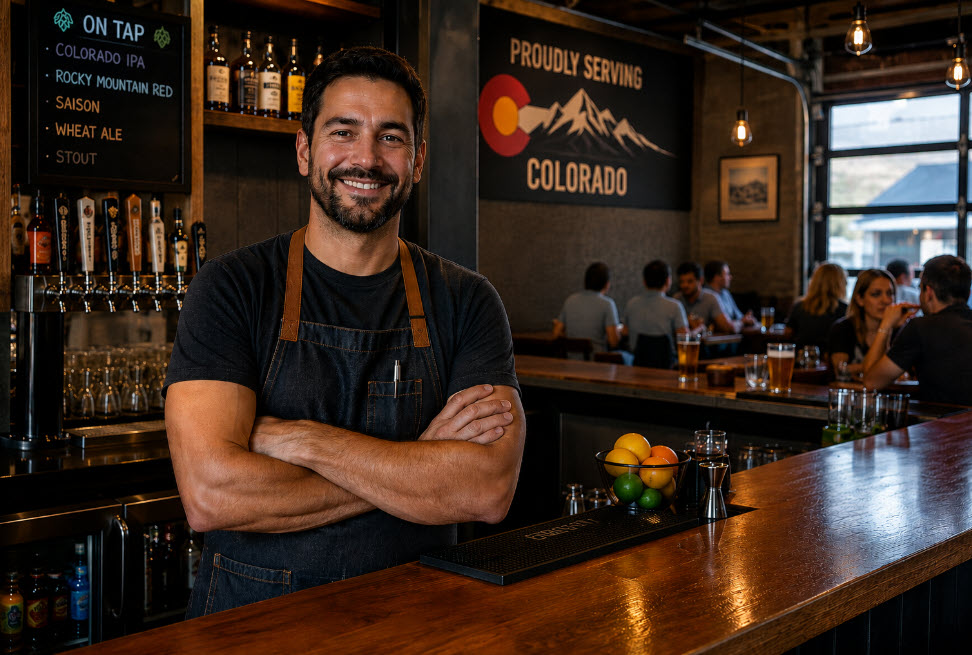
Bars and taverns generally present greater liquor liability exposure because alcohol represents a larger percentage of revenue. Insurers may review annual alcohol sales, closing time, customer capacity, entertainment, dancing, security, employee training and previous claims. Late-night operations and establishments with heavy alcohol sales may require specialty insurance markets when standard carriers are unwilling to accept the risk.
Breweries, Taprooms, Wineries and Distilleries
Colorado breweries, taprooms, wineries and distilleries can combine production, premises and alcohol-service exposures within the same operation. A brewery that manufactures beer and serves customers in a taproom presents different insurance needs from a business that only distributes its products. Property, equipment, product liability and liquor liability should often be evaluated together when developing coverage for these businesses.
Liquor Liability Insurance for Colorado Liquor Stores
Liquor stores primarily sell alcohol for off-premises consumption, but alcohol-related liability concerns can still exist. Age verification and procedures for handling sales remain important, while the business may also need protection for inventory, property, theft and ordinary customer injuries. CRI provides additional information about these risks in its guide to Colorado liquor store insurance.
Liquor Liability vs. Host Liquor Liability
Host liquor liability is not the same as liquor liability insurance for a business that regularly sells or serves alcohol. Host liquor protection can apply in certain situations where an organization is not in the alcohol business but occasionally provides alcohol. Restaurants, bars, taverns and similar businesses should not rely on host liquor coverage as a substitute for insurance designed for their regular alcohol operations.
Assault and Battery Coverage
Bars, taverns and some restaurants should pay close attention to how a liquor liability policy handles assault and battery claims. Some policies exclude these incidents, while others may provide limited or broader coverage subject to underwriting. This can be particularly important for businesses with late operating hours, security personnel, entertainment or a history of altercations.
Responsible Alcohol Service and Employee Training
Strong alcohol-service procedures can help reduce risk. Businesses should have procedures for checking identification, recognizing signs of intoxication, refusing additional service when appropriate and documenting significant incidents. Colorado licensees can find regulatory guidance and responsible alcohol-service information through the Colorado Liquor Enforcement Division.
Does Colorado Require Liquor Liability Insurance?
Colorado’s dram shop law creates potential civil liability for alcohol licensees under specified circumstances, but that does not mean every Colorado liquor licensee is universally required by state law to purchase the same liquor liability policy. Insurance requirements can also arise through a lease, landlord, lender, franchise agreement or other contract. Even when coverage is not expressly required, a business that regularly sells or serves alcohol should consider the potential financial consequences of an uninsured claim.
How Much Liquor Liability Coverage Does a Business Need?
The appropriate liability limit depends on the type of business, alcohol exposure, assets and contractual requirements. Many businesses seek at least $1 million in liability protection, while higher-risk operations or businesses with contractual requirements may need larger limits. A commercial umbrella or excess liability policy may provide additional protection above qualifying underlying coverage.
What Do Insurance Companies Look At?
Liquor liability underwriting is highly specific to the business. Insurers may review annual gross revenue, alcohol sales, percentage of revenue attributable to alcohol, operating hours, closing time, customer capacity, entertainment, security, employee training, age-verification procedures and previous claims. These differences are why two Colorado businesses with similar overall revenue can receive very different liquor liability quotes.
Liquor Liability Insurance Companies in Colorado
Depending on the business and underwriting eligibility, liquor liability coverage may be available through insurers and specialty programs such as Travelers, Philadelphia Insurance Companies and Markel, along with other standard and specialty markets available through Castle Rock Insurance or its licensed partners. Carrier appetite varies substantially between restaurants, bars, breweries and other alcohol-related businesses, so availability must be evaluated for each individual risk. Learn more about companies CRI and its partners may work with on our commercial insurance carriers page.
Combining Liquor Liability With Other Business Insurance
Liquor liability is often only one part of the insurance program for a restaurant, bar, brewery or other alcohol-related business. Depending on the operation, additional coverage may include general liability, commercial property, business income, equipment breakdown, workers’ compensation, cyber liability and commercial umbrella insurance. Reviewing these exposures together can help identify potential gaps between policies.
Why Castle Rock Insurance?
Castle Rock Insurance is a Colorado-licensed insurance agency helping businesses explore commercial and specialty insurance options. Depending on the business and coverage needed, CRI may assist directly or coordinate the request with a trusted specialty insurance partner familiar with the risk. The licensed agency that places and services the policy is identified before coverage is purchased. Learn more about Castle Rock Insurance.
Get a Colorado Liquor Liability Insurance Quote
A neighborhood restaurant, brewery taproom, liquor store and late-night bar can have very different coverage needs and underwriting requirements. Castle Rock Insurance can help evaluate your business and connect you with an appropriate licensed insurance professional to explore available markets.
Coverage descriptions are general and are not a guarantee of coverage. Actual coverage, exclusions, limits, eligibility and pricing depend on the insurer and policy. Information about Colorado law is provided for general informational purposes and is not legal advice.