Colorado radon mitigation contractors perform specialized work that can involve drilling through concrete, installing vent piping and fans and designing mitigation systems for homes, multifamily properties and commercial buildings. Because the work combines contracting, system design and environmental exposures, the right insurance program often needs to go beyond basic contractor liability coverage.
Insurance companies may consider annual revenue, payroll, residential versus commercial work, subcontractors, years in business, licensing, claims history, vehicles and project size. A small owner-operated residential contractor can have a very different insurance profile from a company with multiple technicians working on apartment buildings or commercial properties.
How Much Does Radon Mitigation Contractor Insurance Cost in Colorado?
In 2026, a smaller owner-operated Colorado radon mitigation contractor may reasonably budget approximately $1,500 to $3,500 per year for core business insurance. This may include general liability, professional liability and basic tools or equipment protection. General liability alone can sometimes cost under $1,500 per year for a smaller residential operation with a clean claims history, but liability-only pricing does not represent the cost of a complete insurance program.
A more established mitigation company may spend approximately $4,000 to $10,000 or more per year when coverage includes professional liability, contractors pollution liability, commercial auto, workers’ compensation, equipment coverage and higher liability limits. Multiple employees, service vehicles, larger commercial projects, higher payroll and prior claims can increase the premium.
What Insurance Does a Radon Mitigation Contractor Need?
General liability insurance is one of the foundation coverages for a radon mitigation contractor. It can help protect the business against third-party bodily injury and property damage claims, including accidental damage to a customer’s home or building while drilling, installing piping or completing mitigation work.
Eligible contractors may also consider a Business Owner’s Policy (BOP), which generally combines general liability with commercial property and business income coverage. A BOP can provide a useful foundation, but professional and environmental exposures may still require separate coverage.
Professional Liability for Radon Mitigation Contractors
Professional liability can be particularly important because radon mitigation involves evaluating a property and determining how a system should be designed and installed. A property owner may allege that a mitigation system was improperly designed, incorrectly installed or failed to perform as represented.
These allegations are different from accidentally damaging property during installation. Contractors should not assume that general liability automatically covers claims involving professional advice, system design or errors in specialized services.
Pollution Liability for Radon Contractors
Contractors pollution liability can help address certain environmental or pollution-related claims that may fall outside a standard general liability policy. This coverage can become particularly important for businesses performing larger commercial, multifamily or specialty mitigation projects.
Some property owners and general contractors may also require pollution or environmental liability coverage as part of a contract, making it important to review insurance requirements before beginning larger projects.
Tools, Equipment and Commercial Property
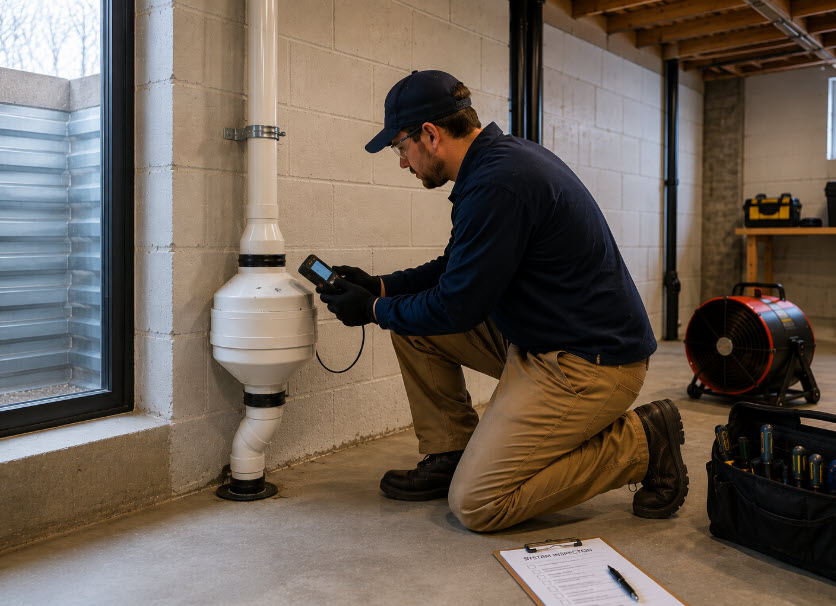
Radon contractors may carry drills, diagnostic equipment, testing devices, fans, piping, power tools and other equipment between job sites. Commercial property insurance can protect qualifying property at a business location, while inland marine or tools and equipment coverage may be needed for portable equipment that travels with technicians.
Contractors should base coverage limits on realistic replacement costs. Specialized testing and installation equipment can be expensive to replace after theft, fire or another covered loss.
Workers’ Compensation and Commercial Auto
Colorado radon companies with employees will generally need workers’ compensation insurance, subject to applicable state requirements. Technicians may work in crawlspaces and attics, drill through concrete, climb ladders and carry equipment, creating workplace injury exposures that should be properly insured.
Businesses using pickups, vans or other vehicles to transport technicians and equipment should also consider commercial auto coverage. Vehicle count, driver histories, annual mileage, operating territory and prior claims can make commercial auto a significant part of the overall insurance cost for a growing mitigation company.
Colorado Radon Mitigation Licensing Requirements
Colorado regulates professional radon mitigation work. The Colorado Division of Professions and Occupations Radon Professionals Program oversees licensing and enforcement for radon measurement and mitigation professionals. Colorado began regulating these professionals on July 1, 2022.
Contractors should keep their licenses current and follow applicable state rules and standards of practice. Licensing, professional training and documented work procedures can also be relevant when an insurance company evaluates a contractor’s experience and risk controls.
Residential vs. Commercial Radon Mitigation
A contractor primarily installing mitigation systems in single-family homes may qualify differently from a company working on apartment buildings, offices or other commercial properties. Larger projects can involve more complicated system designs, greater contract values and stricter insurance requirements.
Contractors should accurately disclose the percentage of residential, multifamily and commercial work they perform. Insurers may also ask whether the business handles radon measurement, system design, installation or a combination of these services.
What Affects the Cost of Radon Mitigation Insurance?
Insurance companies may consider annual revenue, payroll, number of employees, project size, years in business, licensing, prior claims, residential versus commercial work, subcontractors, equipment values and commercial vehicles. Professional design responsibility and environmental exposures can also influence which carriers are willing to insure the business.
As a mitigation company adds employees, vehicles, larger contracts or new services, its insurance should be reviewed to make sure the coverage continues to match the actual operation.
Insurance Companies That Cover Colorado Radon Mitigation Contractors
Radon mitigation can require a more specialized insurance program than ordinary residential contracting. Some standard commercial carriers may be comfortable with general liability, property and auto exposures, while professional liability or pollution coverage may require a specialty insurance market.
Castle Rock Insurance works alongside commercial insurance partners that can compare standard and specialty options for Colorado radon mitigation contractors. This can be particularly useful when coordinating general liability, professional liability, pollution coverage, workers’ compensation, vehicles and equipment.
Get a Radon Mitigation Contractor Insurance Quote in Colorado
The right insurance should reflect the work your mitigation company actually performs. An owner-operated residential contractor may need a relatively straightforward program, while a company with employees, vehicles and commercial or multifamily projects may require broader professional and environmental protection.
Castle Rock Insurance and its partners help Colorado radon mitigation contractors compare insurance options based on their services, revenue, payroll, equipment, vehicles and project types. Contact us today to request a personalized quote and review coverage designed around your radon mitigation business.