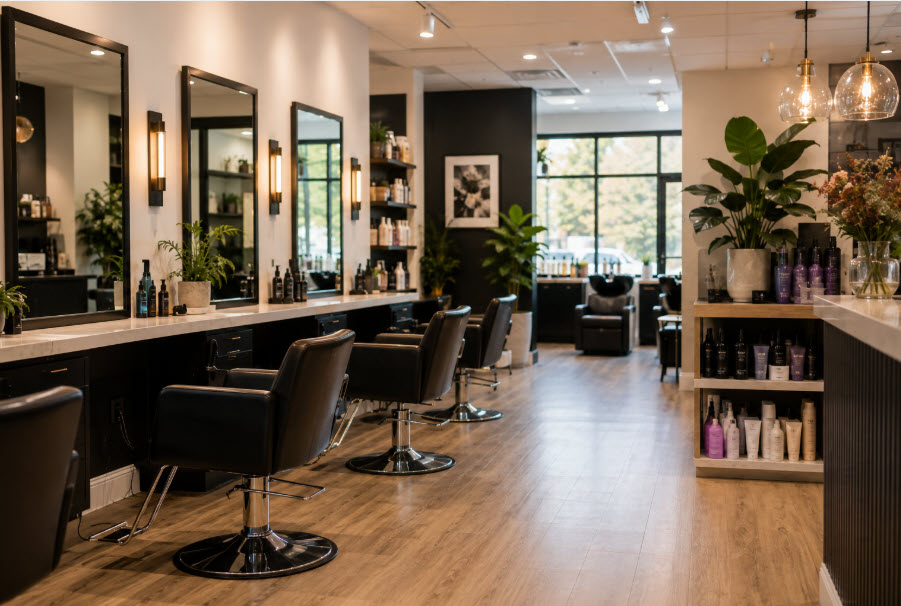
Colorado beauty salons range from single-chair studios to larger full-service businesses with multiple stylists, estheticians, nail technicians and other beauty professionals. Whether you operate a neighborhood salon in Castle Rock, a busy storefront in Denver or a growing beauty business elsewhere along the Front Range, your insurance should reflect your services, staff and investment in the business.
Salons can face several risks at once. A customer may slip inside the premises, expensive equipment can be damaged or stolen and a client may allege burns, hair damage, an allergic reaction or another injury after a professional service. Insurers may consider annual revenue, payroll, services offered, booth renters, retail sales, equipment values, prior claims and whether the salon owns or leases its location.
How Much Does Beauty Salon Insurance Cost in Colorado?
In 2026, a smaller Colorado beauty salon may reasonably budget approximately $1,200 to $3,500 per year for a core insurance program that includes general liability, professional liability and commercial property protection or a Business Owner’s Policy. Owner-operated salons with modest property values and limited payroll may fall toward the lower end of the range.
A larger or more established salon may spend approximately $3,500 to $8,000 or more per year when coverage includes workers’ compensation, higher property limits, more employees or broader professional liability protection. Chemical treatments, skincare services, waxing, lashes, nails and other specialized services can also affect pricing and carrier eligibility.
What Insurance Does a Colorado Beauty Salon Need?
General liability insurance is one of the foundation coverages for most salons. It can help protect the business against third-party bodily injury and property damage claims, such as a customer slipping on a wet floor or another accident occurring inside the salon.
Many eligible salons can also consider a Business Owner’s Policy (BOP). A BOP generally combines general liability with commercial property and business income coverage, making it a practical option for salons that want to protect both liability exposures and qualifying business property in one package.
Professional Liability Insurance for Beauty Salons
Professional liability is particularly important because many salon claims arise directly from services being performed. A client may allege that hair coloring caused burns, a chemical treatment damaged their hair, a skincare service caused a reaction or another beauty treatment resulted in an injury.
The policy should accurately reflect every service offered. Hair cutting and coloring, waxing, facials, lashes, nail services and other treatments can have different underwriting requirements. Some specialized procedures may require additional coverage or a carrier familiar with those services.
Commercial Property Insurance for Salons
Commercial property insurance can protect a salon’s investment in styling chairs, wash stations, dryers, treatment tables, nail equipment, computers, point-of-sale systems, retail inventory and other business property.
Leased salons should also consider tenant improvements such as plumbing, electrical upgrades, flooring, cabinetry and built-in fixtures. Property limits should reflect what the salon would actually need to replace after a covered loss. Business income coverage can also be important if a fire, water loss or other covered event temporarily prevents the salon from operating while expenses continue.
Booth Renters and Independent Stylists
Booth rental is common in the beauty industry, but a stylist renting a chair may operate as an independent business. The salon owner’s insurance may not automatically cover that stylist’s professional services, tools or individual liability.
Salon owners should clearly identify which professionals are employees and which are independent renters. Booth-rental agreements should also address insurance responsibilities so both sides understand who is expected to carry coverage.
Workers’ Compensation Insurance for Colorado Salons
Colorado salons with employees will generally need workers’ compensation insurance, subject to applicable state requirements. Employees can experience slips, cuts, chemical exposure and repetitive-motion injuries while serving clients, cleaning work areas or handling products and equipment.
Payroll and employee duties are major pricing factors. A salon with two employees can therefore have a very different workers’ compensation premium from a larger operation with stylists, assistants, receptionists and other staff.
Retail Products and Product Liability
Many salons sell shampoos, conditioners, cosmetics, skincare products and other retail items. Claims can arise if a customer alleges that a product caused an allergic reaction or other injury. Salon owners should review how product liability is addressed, particularly if the business imports, manufactures or sells products under its own private label.
What Affects the Cost of Beauty Salon Insurance?
Insurance companies may consider annual revenue, payroll, number of stylists, booth renters, services performed, retail sales, square footage, equipment values, tenant improvements, years in business and prior claims. Professional services are particularly important because chemical treatments, skincare procedures, waxing, lash services and other treatments can create different liability exposures.
Accurately describing the salon’s operations helps carriers classify the business correctly. Owners should also review their insurance whenever they add new services, expand the staff or make a substantial investment in equipment or their location.
Insurance Companies That Cover Colorado Beauty Salons
Many standard commercial insurance companies cover traditional beauty salons, but carrier appetite varies based on services, number of professionals, claims history and property values. Salons offering more specialized procedures may need an insurer with broader professional liability capabilities.
Castle Rock Insurance works alongside commercial insurance partners that can compare standard and specialty markets for Colorado beauty salons. This can be particularly helpful for full-service salons, businesses with booth renters, larger staffs or substantial investments in equipment and tenant improvements.
Get a Beauty Salon Insurance Quote in Colorado
The right salon insurance program should account for customer injuries, professional services, equipment, inventory, employees and the income that keeps the business operating. A single-chair studio may need a relatively simple package, while a larger full-service salon may require several coordinated coverages.
Castle Rock Insurance and its partners help Colorado salon owners compare insurance options based on their services, staff, property, equipment, revenue and overall operation. Contact us today to request a personalized beauty salon insurance quote and review coverage designed around your business.