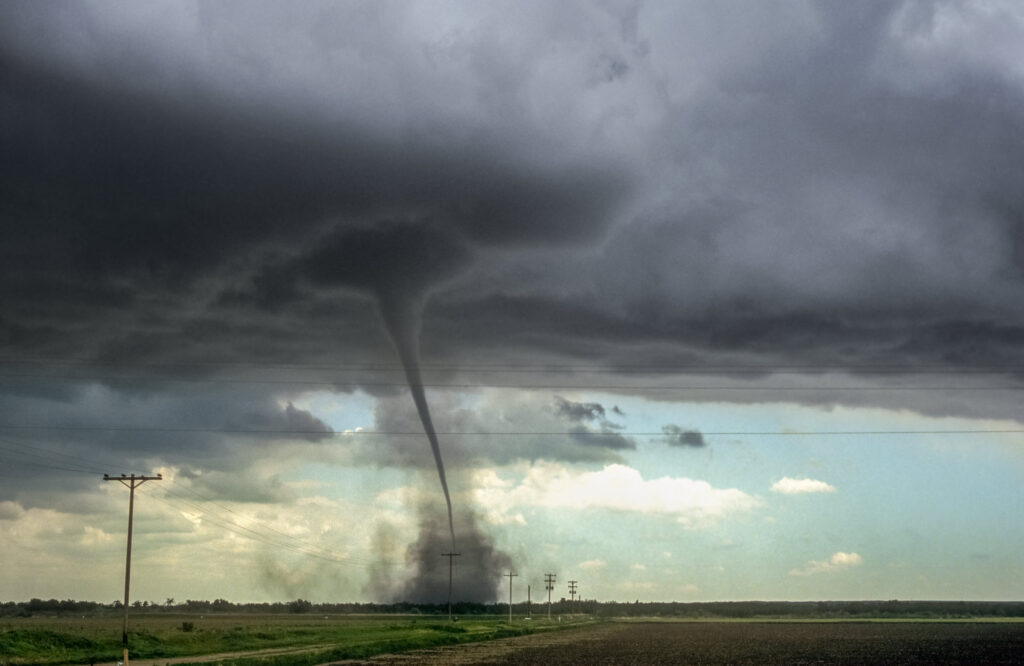
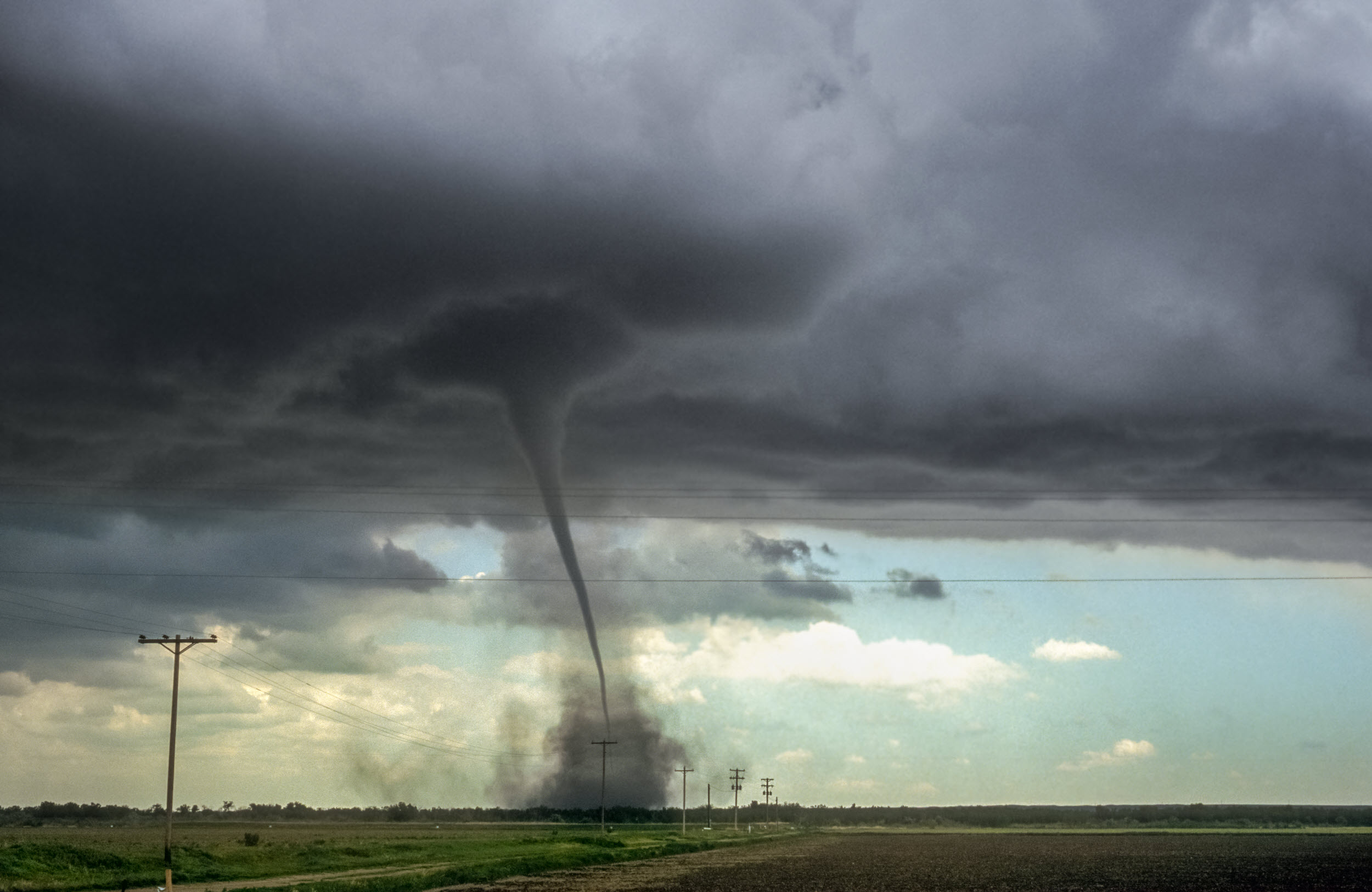
Colorado’s tornado season usually picks up in May and June, although severe storms can continue into the summer. The highest tornado risk is usually across eastern Colorado, where wide-open terrain, changing temperatures and spring storm patterns can create the right setup for strong thunderstorms.
For many Colorado homeowners, tornadoes are not the first weather risk that comes to mind. Wildfire, hail and winter storms usually get more attention. Still, tornadoes are part of Colorado’s larger severe weather picture. A recent gustnado near Aurora and Denver International Airport was a good reminder that rotating wind events can develop quickly along the Front Range.
Even when a tornado is brief or relatively weak, the surrounding storm can still cause expensive damage. Hail, high winds, fallen branches, roof leaks, broken windows and siding damage can all lead to homeowners insurance claims. That is why it helps to understand how tornado and severe storm damage are usually handled under a Colorado homeowners insurance policy.
Some Parts of Colorado Still Saw Severe Storm Activity in 2026
Even after the unusually warm and dry winter Colorado experienced heading into 2026, severe weather activity still developed across parts of the state during the spring. On May 9, 2026, NOAA Storm Prediction Center reports showed damaging wind gusts and hail activity across parts of Weld, Washington, Yuma, Kit Carson and Lincoln counties.
That is a good reminder of how quickly Colorado weather can change during spring and early summer. A week of warm, dry conditions can quickly shift into severe thunderstorm activity once colder systems move back across the Rockies and interact with warmer air over the Plains.
Why Tornado Risk Still Matters in Colorado
Colorado sits along the western edge of traditional Tornado Alley, but tornadoes and rotating severe thunderstorms still occur regularly throughout the state. Eastern Colorado tends to see the highest activity because storms have more room to organize and strengthen as they move across the Plains.
Most Colorado tornadoes are considered weaker tornadoes compared to the strongest storms seen farther east, but even weaker tornadoes can still create significant property damage. Roof shingles, siding, fencing, garage doors, windows and detached structures can all be damaged during severe wind events and rotating thunderstorms.
Quick History of Tornado Damage in Colorado
Colorado has experienced several damaging tornado events over the years, including the Windsor tornado in 2008 which caused major destruction across parts of Weld and Larimer counties. More recent storms across eastern Colorado have also damaged homes, barns, machine shops and agricultural buildings throughout rural communities.
Many homeowners are surprised to learn that tornado-related insurance losses are often tied closely to hail and straight-line wind claims. Even if a tornado never directly strikes a home, the surrounding storm system may still produce widespread roof, siding and exterior damage across an entire neighborhood or county.
How Tornadoes Impact Homeowners Insurance Rates
Tornado risk is one of several weather-related factors affecting homeowners insurance pricing across Colorado. Insurance carriers look at broader storm activity and claim trends throughout a region when evaluating premiums, deductibles and underwriting guidelines.
As severe weather losses continue increasing across the state, many homeowners are seeing higher premiums, larger wind and hail deductibles and stricter roof requirements. In some cases, older roofs or homes located in areas with more frequent storm activity may have fewer available carrier options.
What Insurance Carriers Look For
One of the biggest things insurance companies evaluate is the condition and age of the roof. Homes with newer roofs and Class 4 impact-resistant shingles are often viewed more favorably because they may better withstand hail and wind damage during Colorado storm season.
Insurance carriers may also review siding condition, detached structures, garage doors and overall property maintenance. Rural properties with barns, workshops, sheds or extensive fencing sometimes receive additional review because these structures can create larger storm-related claim exposures.
Check Your Existing Homeowners Coverage
Before severe weather season peaks, Colorado homeowners should take time to review their current homeowners insurance coverage. One of the most important things to understand is the wind and hail deductible, especially since many policies now use percentage-based deductibles instead of flat dollar deductibles.
It is also important to review whether the roof is covered at replacement cost or actual cash value, along with checking detached structure limits and loss of use coverage. Understanding these details ahead of time can help homeowners avoid surprises if tornadoes, hail or severe wind damage their property.