Restoration contractors provide an important service to homeowners, property managers and businesses throughout Colorado after water damage, fires, mold problems and other unexpected property losses. From independent restoration companies responding to residential emergencies to larger contractors serving commercial properties throughout Denver, Colorado Springs, Fort Collins, Castle Rock and communities across the Front Range, these businesses are often called in when property owners need help quickly.
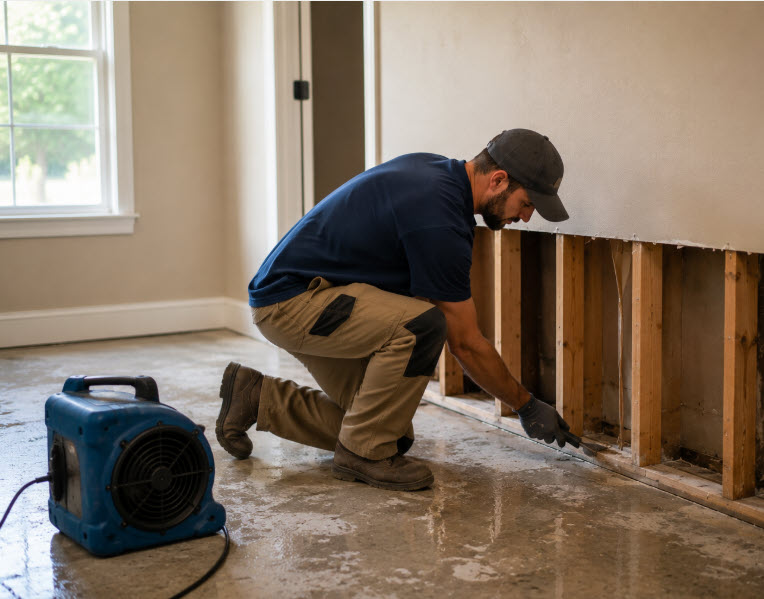
Restoration work also creates risks that are very different from those of a typical construction contractor. Crews may enter damaged buildings, remove wet or contaminated materials, operate drying and cleaning equipment, handle customer property and work around mold, smoke residue, sewage or other contaminants. A customer injury, damaged property, employee accident, vehicle loss or allegation that remediation work was incomplete can become expensive. The right insurance can help protect the restoration business while also making it easier to satisfy contracts, provide certificates of insurance and meet requirements from property owners, general contractors and other clients.
How Much Does It Cost to Insure a Restoration Contractor in Colorado?
In 2026, a smaller Colorado restoration contractor may pay approximately $1,000 to $4,000 per year for general liability insurance, although premiums can fall outside this range. A small company focused primarily on water extraction, drying and basic cleanup will generally cost less to insure than a contractor performing mold remediation, fire restoration, demolition or work involving contaminated materials. Revenue, payroll, claims history, project size and the services performed can all have a significant effect on the premium.
A broader restoration contractor insurance program may cost approximately $5,000 to $25,000 or more per year once pollution liability, workers compensation, commercial auto, tools and equipment and higher liability limits are included. Larger restoration companies with multiple crews, expensive drying equipment, substantial payroll, commercial vehicles or higher-risk remediation work may pay considerably more. Pollution liability can represent a meaningful portion of the total insurance cost, particularly for companies working with mold, sewage, smoke contamination or other environmental exposures.
What Type of Insurance Coverage Does a Restoration Contractor Need?
Most Colorado restoration contractors should begin with general liability insurance. This coverage can help with third-party bodily injury, accidental property damage and certain completed-operations claims. For example, a claim could arise if restoration equipment damages a customer’s flooring, a visitor trips over drying equipment or completed work is alleged to have contributed to additional covered property damage.
Restoration contractors often transport air movers, dehumidifiers, moisture meters, extractors, generators and other valuable equipment between job sites. Inland marine insurance or contractor tools and equipment coverage can help protect eligible equipment while it is being transported, stored away from the primary business location or used at customer properties. Companies operating service vans, box trucks or other vehicles should also consider commercial auto insurance.
Restoration companies with employees will generally need workers compensation insurance. Employees may work around wet surfaces, damaged structures, heavy equipment, ladders, debris and potentially contaminated environments. Depending on the operation, additional protection may include professional liability, commercial property, business income, commercial umbrella insurance, cyber liability and employment practices liability.
Why Is Pollution Liability Important for Restoration Contractors?
Pollution liability is one of the most important coverages for many restoration and remediation contractors because a standard general liability policy may exclude certain pollution-related claims. Restoration work can involve mold spores, sewage, contaminated water, smoke residue, chemicals and other materials that may fall within a policy’s definition of a pollutant.
Contractors pollution liability may help address certain claims involving bodily injury, property damage, cleanup costs and environmental contamination arising from covered restoration operations. The exact protection varies considerably between policies, so restoration contractors should pay close attention to how mold, microbial matter, bacteria, contaminated water and other substances are treated. A contractor that performs mold remediation or other environmental cleanup should not assume a standard general liability policy automatically covers those exposures.
What Do Insurance Companies Look at When Insuring a Restoration Contractor?
Insurance companies typically want a detailed breakdown of the services the restoration company performs. Underwriters may ask what percentage of revenue comes from water extraction, structural drying, fire and smoke restoration, mold remediation, sewage cleanup, demolition, reconstruction and other services. Companies performing mold or environmental remediation may face different underwriting requirements than businesses focused primarily on clean-water extraction and drying.
Carriers may also review annual revenue, payroll, years in business, employee experience, prior claims, maximum project size, subcontractor use and the types of properties being serviced. Emergency response operations can create additional commercial auto exposure because crews frequently travel to losses on short notice while carrying expensive equipment. Written procedures for moisture testing, documentation, containment, employee safety and subcontractor insurance can also be important when a carrier evaluates the risk.
How Do Subcontractors Affect Restoration Contractor Insurance?
Restoration companies frequently bring in subcontractors for demolition, reconstruction, electrical, plumbing or other specialized work. Insurance companies may want to know how much work is subcontracted, which trades are used and whether subcontractors maintain their own general liability and workers compensation insurance.
Restoration contractors should generally maintain organized certificates of insurance and written agreements for subcontractors. Depending on the contract, the restoration company may also require additional insured status or minimum liability limits from subcontractors. Poor subcontractor documentation can affect underwriting, audits and the way claims are handled, particularly when damage is alleged to have resulted from work performed by another trade.
Insurance Companies That May Cover Colorado Restoration Contractors
Castle Rock Insurance is a Colorado insurance agency that works with its partners to help restoration contractors explore coverage through standard and specialty commercial insurance markets. Depending on the company’s services, revenue, payroll, pollution exposure, vehicle use, claims history and subcontractor activity, options may include NEXT Insurance for eligible contractor coverages and specialty environmental insurance programs available through markets focused on fire, water, mold and remediation contractors. Some specialty programs can combine general liability, contractors pollution liability and professional liability while also offering options for commercial auto, workers compensation and excess liability. Because restoration contractor appetite varies significantly by the services performed, Castle Rock Insurance and its partners can help review the operation and compare available insurance options.
Get Your Restoration Business Insured Today!
Whether your company specializes in water damage, fire restoration, mold remediation or full-service property restoration, Castle Rock Insurance and its partners can help you explore insurance options for your liability, pollution exposure, employees, vehicles and equipment. Contact us today to compare available coverage options and request a Colorado restoration contractor insurance quote.