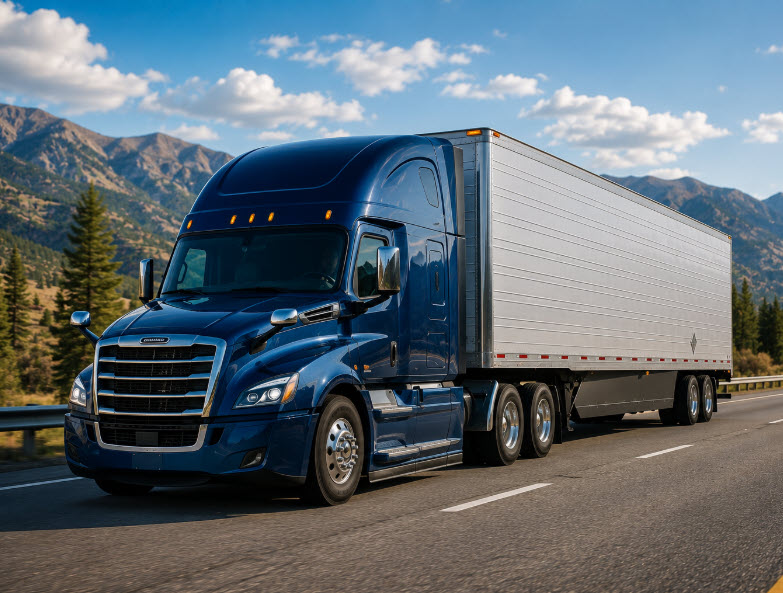
Colorado trucking companies and owner-operators can carry tens or even hundreds of thousands of dollars of customer property on a single load. Commercial payload insurance, more commonly called motor truck cargo insurance, helps protect freight against covered losses such as theft, collision, fire and certain other causes of loss while it is being transported.
Coverage should reflect the commodities hauled, maximum load value, operating radius and requirements imposed by shippers, freight brokers or customers.
How Much Does Motor Truck Cargo Insurance Cost in Colorado?
In 2026, a smaller Colorado trucking company or owner-operator may commonly pay approximately $1,000 to $3,000 per year for motor truck cargo insurance. This is a practical planning range rather than a published statewide average, and premiums can fall well outside it.
Cargo value, commodity type, coverage limits, deductibles, operating radius and loss history are major pricing factors. Refrigerated freight, electronics, pharmaceuticals and other high-value or theft-sensitive cargo can cost considerably more to insure.
What Does Motor Truck Cargo Insurance Cover?
Motor truck cargo insurance can protect a carrier against certain covered losses involving freight hauled for customers. Depending on the policy, covered causes of loss may include collision or overturn, fire, theft and certain weather-related events.
Policies may also provide coverage for loading and unloading, debris removal, earned freight charges or related expenses. Coverage varies by insurer, so carriers should review when coverage begins and ends, applicable deductibles, commodity exclusions and sublimits.
Is Motor Truck Cargo Insurance Required?
Most ordinary for-hire property carriers do not have a federal cargo-insurance filing requirement. The Federal Motor Carrier Safety Administration currently shows a $0 federal cargo filing requirement for ordinary non-hazardous for-hire property carriers. Household-goods carriers are treated differently and are subject to federal cargo requirements.
Even when cargo insurance is not legally required, a shipper, freight broker or customer may require a specific cargo limit before allowing a carrier to haul a load. Contract requirements can therefore be just as important as regulatory requirements when selecting coverage.
How Much Cargo Insurance Does a Trucking Company Need?
The cargo limit should reflect the highest value of freight that could realistically be carried on one truck or involved in a single loss. A carrier routinely hauling $150,000 loads may need substantially different coverage than an owner-operator transporting $40,000 loads.
Contracts should also be reviewed before selecting a limit. High-value commodities may require higher limits, additional underwriting, special endorsements or higher deductibles.
High-Value, Refrigerated & Specialized Freight
Commodity type is one of the most important cargo-insurance factors. Electronics, pharmaceuticals, alcohol, tobacco, automobiles, fine art, jewelry and other high-value or theft-sensitive goods may be restricted, excluded or subject to special limits.
Refrigerated carriers should also review spoilage and refrigeration breakdown coverage. Standard cargo insurance may not automatically cover temperature-sensitive freight following refrigeration equipment failure or temperature change.
What Isn’t Covered by Motor Truck Cargo Insurance?
Exclusions vary by insurer but may include certain commodities, unattended vehicles, dishonest acts, delay, improper packaging, inherent vice or temperature-related losses without the appropriate endorsement. High-value goods may also have lower sublimits than the overall cargo limit.
Carriers should accurately disclose what they haul rather than assuming every load inside an insured trailer is automatically covered.
Motor Truck Cargo vs. Commercial Trucking & Inland Marine Insurance
Commercial trucking insurance is a broader insurance program that may include auto liability, physical damage, motor truck cargo, trailer coverage and other protections. Cargo insurance specifically protects the freight being transported rather than the tractor or other owned vehicle.
Motor truck cargo also falls within the broader inland marine insurance category. Inland marine insurance can protect many types of movable property, tools and equipment, while motor truck cargo coverage is specifically designed around freight transported by motor carriers.
What Other Insurance Do Colorado Trucking Companies Need?
Cargo coverage does not replace liability or physical damage insurance for the truck itself. Depending on the operation, a trucking insurance program may include primary auto liability, physical damage, trailer interchange and other transportation coverages.
Bobtail or non-trucking liability insurance addresses certain liability exposures when a truck is operated outside normal dispatched hauling activity and does not insure the freight. Trucking businesses with employees will also generally need workers compensation insurance, subject to Colorado’s limited exceptions.
What Do Cargo Insurance Companies Look At?
Underwriters commonly review the commodities hauled, maximum load value, requested limit, deductible, operating radius, fleet size, years in business and prior cargo losses. Driver experience, overnight parking, GPS tracking, vehicle security and theft-prevention procedures can also affect eligibility and pricing.
Insurance Companies That May Offer Motor Truck Cargo Coverage
Motor truck cargo insurance is available through transportation and specialty insurance markets. Companies active in this area include Progressive Commercial and Great American, along with other trucking and inland marine insurers depending on the commodities, limits, operating radius and individual risk.
Castle Rock Insurance works with commercial insurance partners to review trucking operations and explore available coverage based on each carrier’s needs and underwriting eligibility.
Get a Colorado Motor Truck Cargo Insurance Quote
Whether you are an independent owner-operator, small trucking company or growing fleet, the freight you haul can represent a significant financial exposure. Castle Rock Insurance and its commercial insurance partners can help compare motor truck cargo insurance based on your commodities, maximum load values, operating radius and contractual requirements. Contact us to request a quote.