Colorado liquor liability insurance helps businesses that sell or serve alcohol address certain claims involving bodily injury or property damage. Restaurants, bars, breweries, taprooms, wineries, distilleries and liquor stores face different exposures based on alcohol sales, operating hours and customer activity.
Castle Rock Insurance helps Colorado businesses evaluate liquor liability coverage, understand exclusions and explore available commercial insurance options through standard and specialty insurance markets.
What Is Liquor Liability Insurance?
Liquor liability insurance may cover legal defense costs, settlements and judgments arising from covered alcohol-related claims. Unlike ordinary general liability insurance, it addresses liability associated specifically with selling or serving alcohol. General liability policies may exclude these exposures for businesses engaged in alcohol sales.
How Does Colorado’s Dram Shop Law Work?
Under C.R.S. § 44-3-801, Colorado generally limits alcohol-vendor liability, with important exceptions when a licensee willfully and knowingly sells or serves alcohol to someone under 21 or visibly intoxicated. The statute also generally establishes a one-year deadline for qualifying claims against a licensee.
Businesses should maintain age-verification, responsible-service and refusal-of-service procedures. Visit the Colorado Liquor Enforcement Division for regulatory guidance.
What Does Liquor Liability Insurance Cover?
Coverage may respond when a business is accused of improperly selling or serving alcohol and that alcohol allegedly contributes to an injury or property damage. For example, a restaurant might face a claim involving a visibly intoxicated customer who later causes an automobile accident.
Important policy provisions include:
- Bodily injury and property damage liability
- Legal defense expenses and covered judgments
- Assault and battery exclusions or limitations
- Liability limits and additional insured requirements
Coverage depends on the policy’s exclusions, limits and conditions. Not every alcohol-related incident is insured.
Which Colorado Businesses Need Liquor Liability Insurance?
Restaurants and Bars
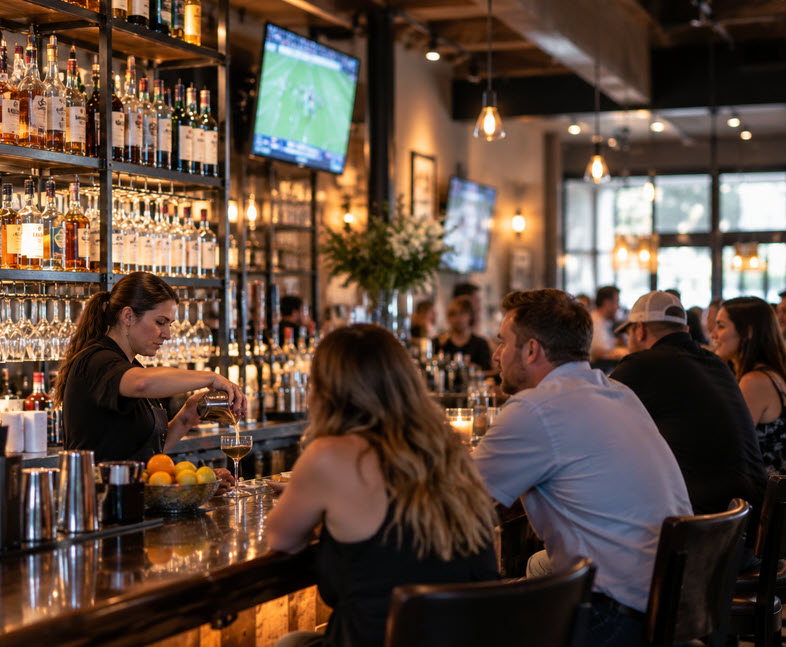
Restaurants, bars and taverns should evaluate liquor liability based on alcohol sales, operating hours, entertainment and customer volume. Late-night establishments may require specialty markets. Learn more about Colorado restaurant insurance.
Breweries, Taprooms, Wineries and Distilleries
Businesses manufacturing and serving alcohol may need liquor liability alongside property, equipment and product liability insurance. Production facilities and tasting rooms can have different underwriting requirements.
Liquor Stores
Liquor stores primarily sell alcohol for off-premises consumption, but prohibited sales and authorized tastings can create liability exposure. Owners should also evaluate inventory, theft and property coverage.
Read our Colorado liquor store insurance guide for coverage options, inventory protection and risk considerations specific to retail alcohol stores.
Liquor Liability vs. Host Liquor Liability
Host liquor liability generally applies to certain alcohol-related exposures for organizations that are not in the business of selling or serving alcohol. Businesses regularly selling alcohol should not rely on host liquor coverage as a substitute for dedicated liquor liability insurance.
Does Liquor Liability Cover Assault and Battery?
Some policies exclude assault and battery claims, while others offer limited protection or additional endorsements. Bars, entertainment venues and businesses with late-night operations should review these provisions carefully.
Is Liquor Liability Insurance Required in Colorado?
Colorado’s dram shop law establishes potential liability under specified circumstances, but not every alcohol licensee is universally required to purchase the same insurance policy. Additional requirements may arise through leases, contracts, lenders or specific licensing circumstances.
How Much Liquor Liability Coverage Do You Need?
Appropriate coverage limits depend on alcohol sales, business operations, financial exposure and contractual requirements. A qualifying commercial umbrella or excess liability policy may provide additional protection if it includes liquor liability.
What Information Is Needed for a Liquor Liability Quote?
Insurance companies commonly request:
- Business location and type of operation
- Annual gross revenue and alcohol sales
- Operating hours, entertainment and security details
- Employee training and prior claims history
- Requested coverage limits and current insurance
Accurate information helps insurers determine eligibility and appropriate coverage options.
Get a Colorado Liquor Liability Insurance Quote
Castle Rock Insurance helps restaurants, bars, breweries, taprooms, wineries, distilleries and liquor stores explore commercial insurance options based on their operations and alcohol-related exposures.
Contact Castle Rock Insurance to discuss your business and request a Colorado liquor liability insurance quote.
Coverage descriptions are general and do not guarantee coverage. Actual terms, exclusions, limits and eligibility depend on the insurer and policy. Legal information is educational and is not legal advice.