
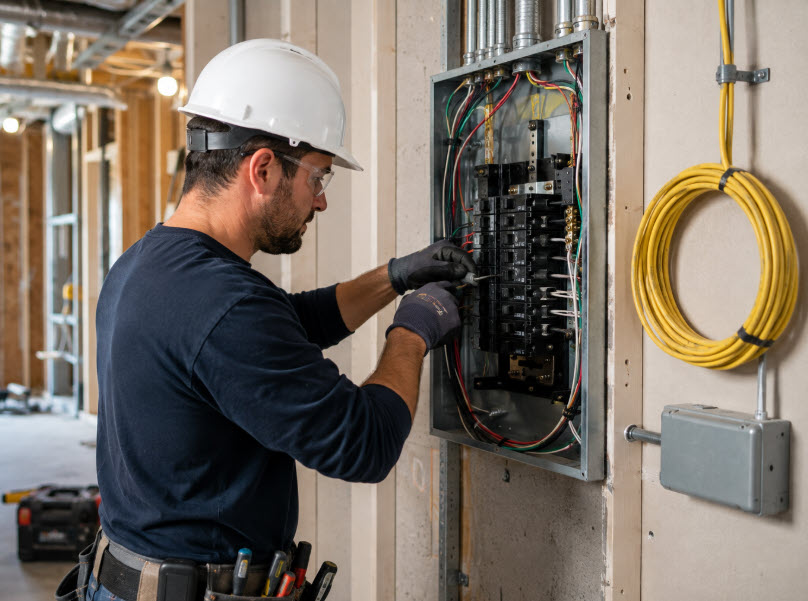
Electrical contractors face risks that can extend well beyond an accident at the jobsite. Electrical work can involve energized systems, expensive property, ladders, active construction sites and installations where a problem may not become apparent until after the job is finished. Electricians may also have employees working in hazardous environments, operate service vehicles and carry thousands of dollars of tools and testing equipment between projects. Adequate insurance should reflect the actual work being performed, the size of the projects, employees and subcontractors, vehicles, equipment and contractual requirements.
How Much Does Electrical Contractor Insurance Cost in Colorado?
In 2026, a smaller Colorado electrical contractor may pay approximately $700 to $3,000 per year for general liability insurance, although premiums can fall outside this range. A self-employed electrician focused on residential service and repair will typically have a different cost profile than a company with several employees, larger commercial projects or substantial subcontractor exposure. A broader insurance program may cost approximately $4,000 to $15,000 or more per year once workers compensation, commercial auto, tools and equipment and higher liability limits are included. Larger electrical contractors can pay considerably more.
Insurance companies look at the type of electrical work performed, annual revenue and payroll, years in business, project size, subcontractor costs, prior claims and vehicle exposure when determining pricing and eligibility. Residential service work, commercial construction, industrial electrical work and specialized operations such as solar installations can be evaluated differently, so accurately describing the business is important when obtaining quotes.
What Insurance Does an Electrical Contractor Need?
For most electrical contractors, general liability insurance is the foundation of the insurance program. It can help cover eligible claims involving third-party bodily injury, property damage and completed operations. This is particularly important for electricians because an allegation involving faulty wiring, a panel or another installation could result in a claim after the work has been completed. Contractors should pay attention to both their liability limits and completed-operations protection rather than purchasing coverage simply to obtain a certificate of insurance.
Electrical contractors with employees will generally need workers compensation insurance, while businesses operating service vans, pickups or other company vehicles should consider commercial auto coverage. Electricians who regularly transport meters, testing equipment, power tools and other valuable gear should also consider tools and equipment or inland marine coverage because general liability is not designed to insure the contractor’s own property against theft or physical damage.
As an electrical company grows, additional protection may become appropriate. Contractors working on larger projects or facing higher contractual liability requirements may need a commercial umbrella for additional limits. Electrical contractors providing design, engineering or other professional services should also review whether professional liability coverage is needed because those exposures may not be addressed by a standard general liability policy.
What Insurance Is Required for Electrical Contractors in Colorado?
Colorado regulates electrical contractors through the State Electrical Board. Electrical contracting businesses must meet applicable state registration and licensing requirements, including requirements involving the licensed master electrician responsible for the company’s electrical work. Contractors should review the current Colorado State Electrical Board rules when determining the requirements that apply to their business.
It is also important to distinguish state licensing requirements from insurance requirements imposed by a project. General contractors, property owners and commercial customers may require general liability insurance with specific limits, completed-operations coverage, additional insured status, waivers of subrogation or other policy provisions before an electrician can begin work. Larger projects may also require higher liability limits than a smaller electrical contractor would otherwise purchase.
Why Is Completed-Operations Coverage Important for Electricians?
An electrician’s liability exposure does not necessarily end when the job is finished. A problem involving wiring, a breaker panel, a connection or another installation may not become apparent until weeks or months later. If completed electrical work is alleged to have caused a fire, bodily injury or damage to a building, the resulting claim can be significant. General liability policies can provide completed-operations coverage for eligible claims, subject to the policy’s terms, limits and exclusions, making this an important area for electrical contractors to review.
Do Colorado Electrical Contractors Need Workers Compensation?
Colorado generally requires employers with one or more employees to maintain workers compensation coverage, subject to applicable exceptions. Construction businesses also need to pay attention to how subcontractors are treated. The Colorado Division of Workers’ Compensation provides guidance concerning employer coverage requirements and responsibilities involving contractors. Because electricians can work around energized equipment, ladders and active construction sites, employee injuries can represent a significant exposure for an electrical business.
Electrical contractors that use subcontractors should also maintain appropriate insurance documentation. Insurers may ask what percentage of work is subcontracted, what work the subcontractors perform and whether they maintain their own general liability and workers compensation coverage. Certificates and other required documentation can become important during underwriting, policy audits and claims.
Are an Electrician’s Tools and Equipment Covered?
General liability insurance is designed primarily to address liability to others, not damage to or theft of the electrician’s own tools. Contractors who move expensive meters, testing equipment, power tools and other gear between projects should consider inland marine insurance or tools and equipment coverage. Limits and deductibles should reflect the value of the equipment actually being transported, and contractors should review how the policy treats theft from vehicles and equipment temporarily stored at jobsites.
Do Electrical Contractors Need Commercial Auto Insurance?
Electrical contractors that regularly use pickups, cargo vans or service vehicles for work should consider commercial auto insurance. Coverage can include liability for eligible accidents involving insured business vehicles as well as physical damage protection for the vehicles themselves. Insurers also commonly review motor vehicle records for owners and employees who drive, so recent accidents, serious violations or a pattern of tickets can increase premiums or reduce the number of carriers willing to insure the business.
What Do Insurance Companies Look at When Insuring an Electrical Contractor?
Underwriters want to understand what the electrical contractor actually does rather than simply knowing that the business is an electrician. They may consider the percentage of residential and commercial work, service and repair versus new construction, annual revenue and payroll, employee experience, largest project size, subcontractor use, claims history and any specialized electrical operations. A residential electrician performing service calls presents a different exposure from a contractor wiring large commercial buildings, which can affect both carrier eligibility and pricing.
How Much Liability Insurance Should an Electrical Contractor Carry?
There is no single liability limit appropriate for every electrical contractor. Coverage should reflect the size and type of projects being performed, contractual requirements, company assets and the potential severity of a claim. General contractors and commercial customers may specify minimum limits before work begins, and contractors working on larger projects may need commercial umbrella insurance to provide additional liability limits above qualifying underlying policies.
Get a Colorado Electrical Contractor Insurance Quote
Castle Rock Insurance is a Colorado-licensed insurance brokerage serving electrical contractors throughout the state. We coordinate with a variety of insurance resources to help electricians evaluate coverage for liability, employees, vehicles, tools and other exposures based on the work their business actually performs. Contact us today to request a Colorado electrical contractor insurance quote.