Commercial auto insurance helps protect Colorado businesses that rely on cars, pickup trucks, vans and other vehicles for work. It can provide liability coverage if a business vehicle causes bodily injury or property damage, along with optional physical damage coverage for the company’s own vehicles. Depending on the policy, coverage may also be available for collision, theft, vandalism, hail and other covered losses.
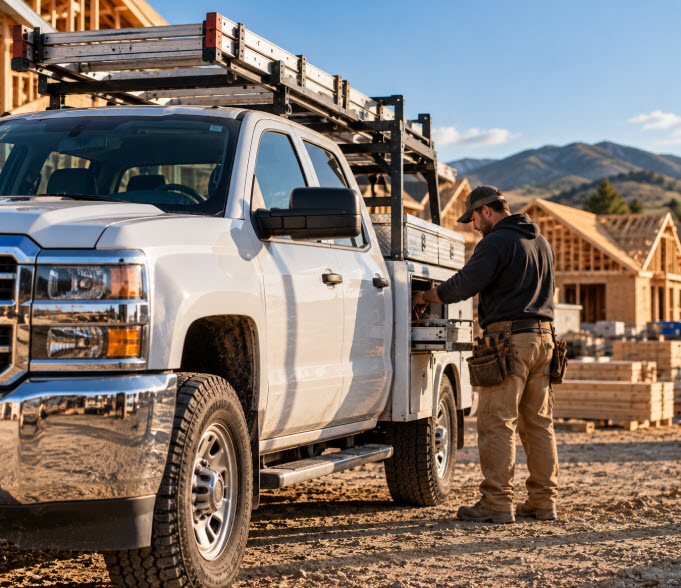
This coverage is common for contractors and skilled trades, landscaping companies, cleaning and field-service businesses, delivery operations, and restaurants that make deliveries. An electrician driving a service van between jobsites or a landscaper pulling a trailer can have insurance needs that go beyond ordinary personal driving.
Businesses that rent vehicles or allow employees to use personal vehicles for work may also need hired and non-owned auto coverage. Companies transporting tools, equipment or customers’ property should review whether separate equipment, inland marine or cargo coverage is appropriate.
What Does Commercial Auto Insurance Cover?
A commercial auto policy can be structured around how a business uses its vehicles. Common coverage options include bodily injury and property damage liability, collision, comprehensive coverage, medical payments, and uninsured or underinsured motorist coverage. Rental reimbursement, roadside assistance, hired auto and non-owned auto coverage may also be available.
Commercial auto physical damage generally protects the insured vehicle itself. Tools, equipment, materials or cargo carried in the vehicle may require separate insurance.
How Much Does Commercial Auto Insurance Cost in Colorado?
For many Colorado businesses, commercial auto insurance may cost approximately $2,500 to $6,500+ per vehicle per year. This is a general planning range rather than a guaranteed premium. Lower-risk business vehicles may fall below it, while contractors, delivery operations, heavier vehicles, towing and businesses with multiple drivers or prior claims can cost considerably more.
Rates are influenced by the vehicles being insured, how they are used, garaging location, operating radius, annual mileage, driver history, prior claims, liability limits and deductibles. Specialized transportation risks, including certain trucking and towing operations, can cost substantially more than a typical small-business commercial auto policy.
What Commercial Auto Insurance Is Required in Colorado?
Colorado requires vehicle owners to maintain automobile liability insurance. According to the Colorado General Assembly, the state’s minimum liability limits are currently $25,000 for bodily injury or death to one person, $50,000 for bodily injury or death to all people in one accident, and $15,000 for property damage in one accident, commonly shortened to 25/50/15.
For a business, these minimums should be viewed as a legal baseline rather than a recommendation for how much coverage to carry. Serious accidents can result in damages well above these limits, and customers, general contractors, lenders or vehicle lessors may require higher commercial auto liability limits.
Certain motor carriers and specialized transportation businesses can also face higher federal requirements based on their vehicles, cargo and operations. Businesses operating under federal motor-carrier authority should review applicable FMCSA insurance filing requirements rather than relying solely on Colorado’s ordinary automobile minimums.
How Does Driving History Affect Commercial Auto Insurance?
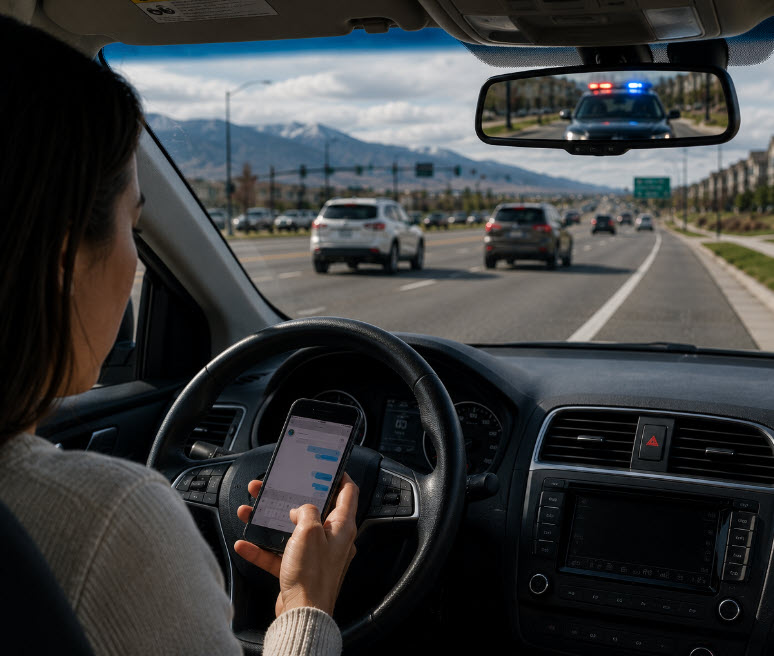
Insurers commonly review motor vehicle records, or MVRs, for owners and employees who regularly drive business vehicles. Recent accidents, speeding tickets, serious violations, license suspensions, DUIs or a pattern of multiple violations can increase premiums or make an account more difficult to insure.
The impact depends on the severity and timing of the incident, the driver’s overall history, the type of vehicle and the insurer’s underwriting guidelines. A driver with significant adverse history may result in higher rates, coverage restrictions or fewer available insurance markets.
Businesses with multiple drivers should provide accurate driver information and consider reviewing driving records as part of their fleet-safety practices. A group of experienced drivers with favorable driving histories generally presents a stronger risk profile to commercial auto insurers.
What Is Hired and Non-Owned Auto Coverage?
A business can have auto liability exposure even when it does not own the vehicle. Hired auto coverage can address certain liability exposures involving vehicles the business rents, hires or leases. Non-owned auto coverage can address certain business liability exposures when employees use their own vehicles for work.
This can apply when an employee uses a personal vehicle to visit a customer, pick up supplies or make a delivery. These exposures should be reviewed separately from company-owned vehicles when structuring commercial auto coverage.
Which Carriers Offer Commercial Auto Insurance?
Castle Rock Insurance and its partners work with a variety of standard and specialty commercial auto insurance markets serving Colorado businesses. Available options depend on the type of business, vehicles, drivers, operating radius, claims history and underwriting eligibility.
There is no single carrier that is best for every business. An electrician with a service van, a landscaping company pulling trailers and a company operating a larger fleet can have very different underwriting needs. Castle Rock Insurance and its partners help businesses explore available options based on their actual operations and coverage needs.
What Information Is Needed for a Commercial Auto Quote?
Businesses should generally be prepared to provide vehicle year, make, model and VIN; garaging location; vehicle ownership and use; estimated annual mileage and operating radius; driver information and driving history; prior insurance and claims history; and desired liability limits and deductibles.
Businesses operating heavier trucks, tow trucks or for-hire transportation may need additional information about vehicle weight, operating territory, commodities transported, operating authority or required insurance filings.
Get a Commercial Auto Insurance Quote Today
If your business depends on vehicles to reach customers, travel between jobsites, make deliveries or handle everyday operations, your commercial auto policy should reflect how those vehicles are actually being used.
Castle Rock Insurance is a Colorado-licensed insurance brokerage serving businesses throughout the state. We coordinate with a variety of insurance resources to help businesses compare available commercial auto coverage and find an option appropriate for their operations. Contact us today to request a Colorado commercial auto insurance quote.