***NOTICE FOR EXISTING HOMEOWNERS***
HOMES LOCATED IN WILDFIRE-EXPOSED AREAS REQUIRE A MORE DETAILED UNDERWRITING REVIEW AND ARE EVALUATED DIFFERENTLY THAN STANDARD HOMEOWNERS POLICIES.
IN MANY CASES, CARRIERS PREFER TO REVIEW HOMEOWNERS COVERAGE ALONGSIDE OTHER ACTIVE POLICIES. A HOME AND AUTO BUNDLE IS OFTEN THE MOST PRACTICAL AND REALISTIC APPROACH IN HIGHER-RISK FIRE ZONES. REQUESTS FOR STANDALONE HOMEOWNERS COVERAGE IN HIGH-RISK AREAS MAY HAVE LIMITED OPTIONS WITHOUT A BROADER REVIEW OF THE OVERALL INSURANCE PROFILE.
YOU MAY BE ASKED TO PROVIDE CURRENT AUTO INSURANCE DETAILS, INFORMATION ON EXISTING HOMEOWNERS OR UMBRELLA POLICIES, ROOF AGE AND MATERIAL AND DOCUMENTATION OF FIRE MITIGATION OR DEFENSIBLE SPACE IMPROVEMENTS.
SOME SITUATIONS MAY REQUIRE PLACEMENT WITH SPECIALTY CARRIERS, WHICH CAN INVOLVE ADDITIONAL REVIEW TIME AND MORE DETAILED UNDERWRITING.
IF YOU CURRENTLY HAVE ACTIVE COVERAGE WITH A STANDARD CARRIER, THAT MAY STILL REPRESENT A STRONG POSITION IN TODAY’S MARKET, EVEN IF RATES HAVE INCREASED.
OUR FIRST STEP IS ALWAYS TO DETERMINE WHETHER A PROPERTY AND SITUATION ALIGN WITH CURRENT MARKET CONDITIONS BEFORE DISCUSSING PRICING OPTIONS.
***FOR PROSPECTIVE HOME BUYERS***
ACCURATE HOMEOWNERS INSURANCE QUOTES ARE TYPICALLY AVAILABLE ONCE A PURCHASE OFFER HAS BEEN ACCEPTED AND FULL PROPERTY DETAILS ARE CONFIRMED.
EARLY-STAGE ESTIMATES IN HIGH-RISK FIRE ZONES ARE OFTEN NOT RELIABLE AND MAY CHANGE SIGNIFICANTLY DURING FINAL UNDERWRITING REVIEW.
BUYERS WHO ARE UNDER CONTRACT AND PREPARED WITH COMPLETE PROPERTY DETAILS TEND TO RECEIVE MORE ACCURATE GUIDANCE AND MORE REALISTIC OPTIONS.
FOCUSING ON INSURANCE ONCE A PROPERTY IS UNDER CONTRACT GENERALLY LEADS TO A MORE EFFICIENT AND PRODUCTIVE REVIEW PROCESS.
***THANK YOU FOR YOUR UNDERSTANDING!***
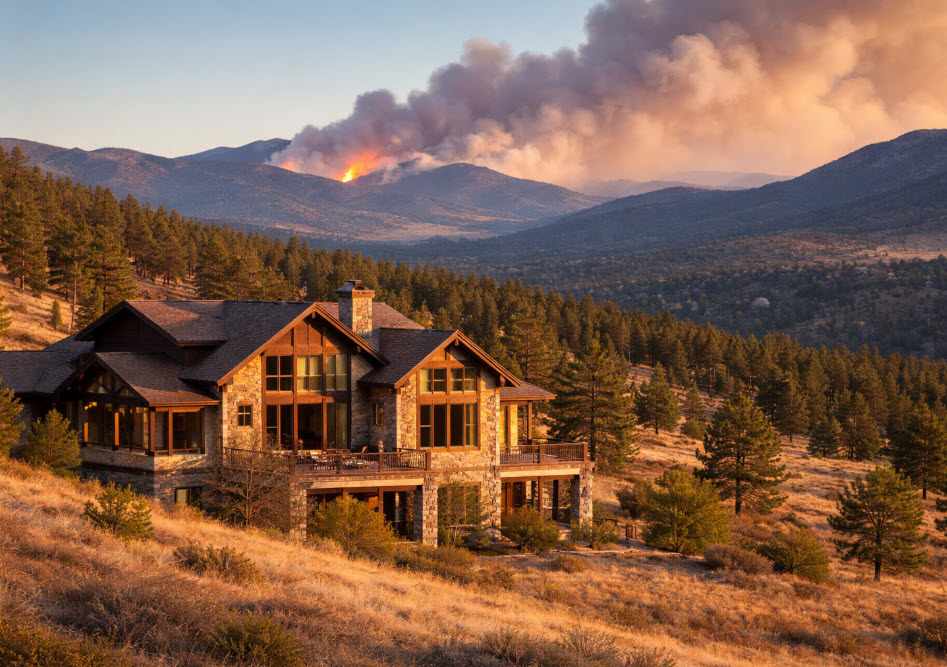
High-risk fire zone properties in Colorado require a more thoughtful and structured approach to homeowners insurance. As wildfire exposure continues to shape the market, underwriting has become more detailed and expectations have changed for both homeowners and buyers. Recent updates such as Colorado’s HB25-1182 wildfire insurance law are helping bring more transparency to how these properties are evaluated. Understanding how risk is assessed and what insurers are looking for can make a meaningful difference when navigating coverage options in today’s environment.
How Much Does Homeowners Insurance Cost for Homes in High-Risk Fire Zones?
In 2026, homeowners insurance for properties in Colorado high-risk fire zones can vary widely. The biggest factor is whether the home qualifies for a standard carrier or requires placement through a specialty market. Key drivers include rebuild cost, roof age and material, property access, surrounding vegetation, defensible space and prior claims. For homes that can still be reviewed by a standard carrier and bundled with auto, the homeowners portion often falls between about $6,500 and $15,000+ per year. When auto coverage is included, total bundled household premiums can range from about $10,300 to $23,600+ depending on vehicles, drivers, and overall risk. In many cases, this bundled approach provides a more stable and more affordable option.
If standalone homeowners coverage is the only path forward, pricing is usually higher. This is especially true when the home requires excess and surplus placement. A realistic 2026 range is about$7,000 to $22,000+ per year, with some properties exceeding that based on wildfire exposure and property characteristics. When this type of policy is combined with a separate auto policy, the total cost is often higher than a bundled standard carrier option. Bundling does not guarantee approval, but it can improve eligibility and create a more practical path forward. Homes with newer roofs, strong mitigation, and clear documentation tend to perform better. Final pricing depends on how the full risk profile is reviewed rather than a simple estimate.