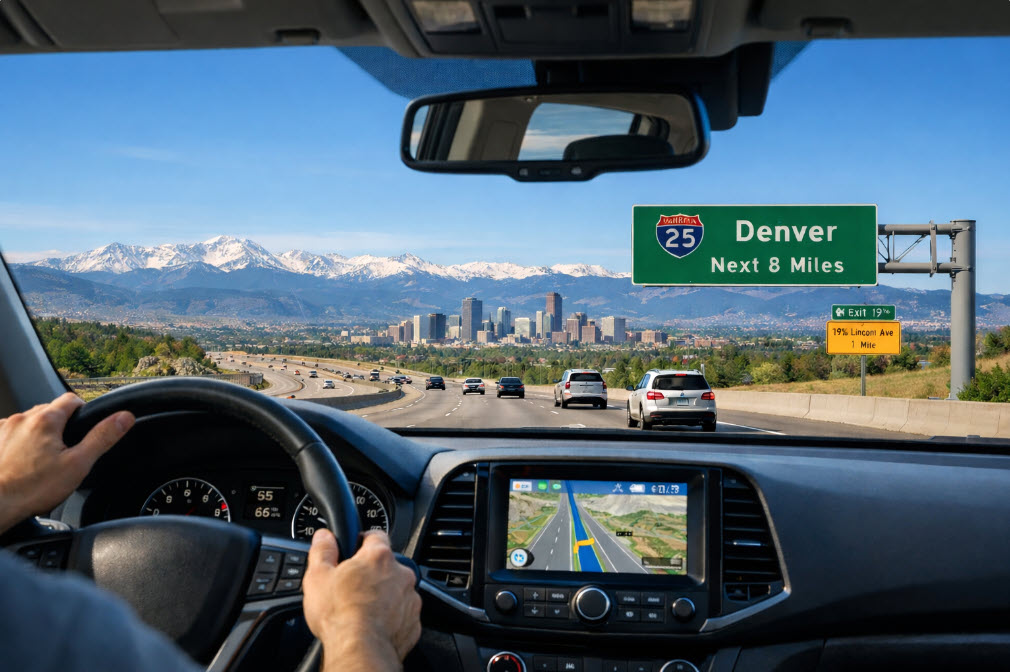
Auto insurance is an important part of driving in Colorado, and it helps protect you financially if an accident causes injuries, vehicle damage or liability claims. Colorado law currently requires drivers to carryminimum coverage limits of $25,000 per person and $50,000 per accident for bodily injury liability along with $15,000 for property damage liability. While these are the legal minimums for 2026, many drivers choose higher limits for better protection. Colorado’s driving conditions can change quickly with snowy winters, mountain roads and frequent hailstorms. Busy highways like I-25 and I-70 also see heavy traffic which can increase the chance of accidents, making reliable auto insurance coverage even more important.
Auto insurance rates across Colorado have increased in recent years due to population growth, more vehicles on the road and rising repair and medical costs. Severe weather events such as hailstorms and heavy snow also contribute to higher claim activity throughout the state. Because of this, many drivers choose to shop their policies regularly to make sure they still have the right coverage at a competitive price. Castle Rock Insurance helps Colorado drivers explore their coverage options and review policies that fit their vehicles, driving habits and budget. Castle Rock Insurance and its partners work with multiple insurance carriers to compare coverage and help drivers find protection that makes sense for their situation.
In 2026, auto insurance in Colorado typically ranges from about $1,900 to $4,300 per vehicle per year for drivers with clean records and standard full coverage, although your actual premium can vary based on your driving history, vehicle type, coverage limits and where the vehicle is garaged.
There are several ways Colorado drivers can lower their auto insurance premiums in 2026 by taking advantage of discounts that may be available through licensed agents and insurance carriers. Many drivers reduce their premiums by qualifying for policy discounts that reward responsible driving habits, safe vehicles and bundling multiple policies together. One of the most common ways to save is through home and auto bundle discounts, which allow drivers to insure their home and vehicles with the same carrier. Bundling policies can often result in meaningful savings while also simplifying policy management and billing.
Households with more than one vehicle may also qualify for multi-vehicle auto insurance discounts. These discounts apply when two or more vehicles in the same household are insured under one policy. In many cases, carriers also provide savings when drivers pay their policy in full, maintain a clean driving record or install anti-theft or vehicle tracking devices that help reduce the likelihood of theft or costly claims.
Driver age and lifestyle can also play a role in available discounts. For example, students who maintain strong grades may qualify for a good student auto insurance discount. This type of discount rewards responsible student drivers who demonstrate strong academic performance. Likewise, experienced drivers with long safe driving histories may qualify for a mature driver auto insurance discount, which some carriers offer to drivers who meet certain age and driving history requirements.
Renters may also have opportunities to lower their premiums by combining policies. For example, some carriers offer a renters and auto insurance bundle discount, which allows drivers to bundle their renters policy with their auto policy under the same carrier. This can provide additional savings while keeping coverage organized under one policy structure.
Because every driver and household situation is different, the best way to uncover available savings is by comparing policies, coverage options and available discounts across multiple carriers. Castle Rock Insurance helps Colorado drivers review available policy structures and identify discounts that may apply to their specific situation. Castle Rock Insurance and its partners work with multiple insurance carriers to compare policy options and help drivers find competitive rates while maintaining strong protection on the road.