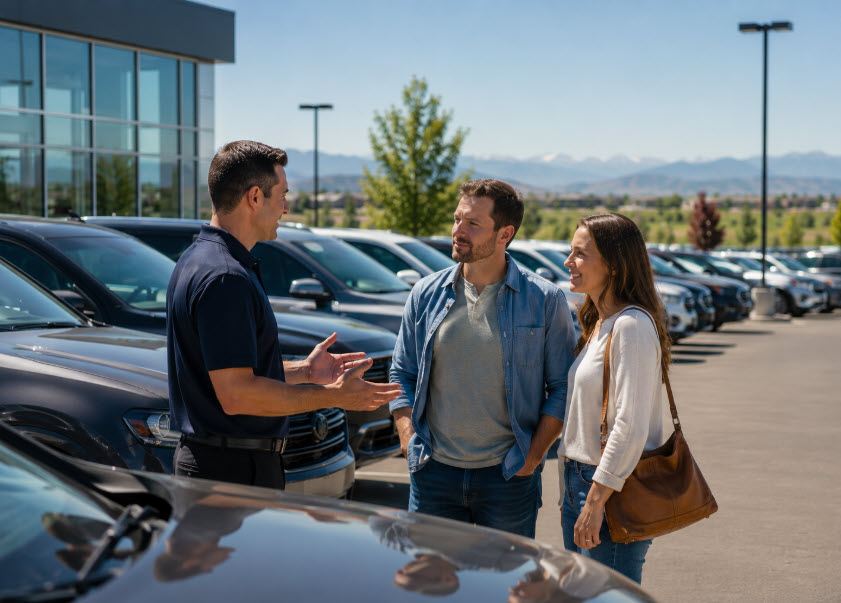
Auto dealerships are an important part of Colorado’s automotive industry, connecting drivers with new and used vehicles while managing valuable inventory, employees, customer traffic and financing transactions every day. From independently owned used-car lots to larger franchised dealerships operating throughout Denver, Colorado Springs, Aurora, Fort Collins, Castle Rock and communities across the Front Range, dealerships can have hundreds of thousands or even millions of dollars tied up in vehicles sitting on the property at any given time.
That creates insurance needs that are very different from those of a typical retail business. Dealers regularly move inventory, allow customers to test-drive vehicles, use dealer plates, employ salespeople and drivers and may also operate service departments or detailing facilities. Colorado’s hail exposure adds another important concern because a single severe storm can damage dozens of vehicles at once. The right dealership insurance program can help protect the business, its inventory, employees and property while also addressing lender, floor-plan and licensing requirements.
How Much Does It Cost to Insure an Auto Dealership in Colorado?
In 2026, a smaller Colorado used-car dealership may pay approximately $2,500 to $7,500 per year for core garage liability and related business coverage, although premiums can fall outside this range. A small independent dealer with a limited number of vehicles, few employees and no repair operations will generally cost less to insure than a larger dealership offering test drives, financing, service work and higher-value inventory.
A broader dealership insurance program can cost approximately $7,500 to $30,000 or more per year once dealer open-lot coverage, commercial property, workers compensation, higher liability limits and other dealership-specific protections are included. Large franchised dealerships or dealers carrying substantial vehicle inventory can pay considerably more. Premiums are influenced by annual sales, employee count, driver records, inventory values, maximum number of vehicles on the lot, vehicle types, location, claims history, building values and whether the dealership operates a service department. In Colorado, hail exposure can also have a significant impact on the cost and availability of physical damage coverage for dealer inventory.
What Type of Insurance Coverage Does an Auto Dealer Need?
Most Colorado dealerships need garage liability coverage designed around the dealership’s operations. This can help address certain bodily injury and property damage claims arising from activities such as vehicle sales, customer visits, test drives and other garage operations. Dealerships may also need higher liability limits or commercial umbrella coverage depending on the size of the operation, lender requirements and the contracts they have in place.
One of the most important coverages for a dealership is dealer open-lot insurance, sometimes referred to as dealers physical damage coverage. This is designed to protect vehicles the dealership owns and holds for sale against covered physical damage losses. Depending on the policy, covered causes of loss may include collision, theft, vandalism and weather-related damage. In Colorado, this protection can be especially important because hail can damage a large portion of a dealership’s inventory during a single storm.
If the dealership also repairs, services, details or stores customer vehicles, garagekeepers insurance may also be appropriate. Garagekeepers coverage is different from dealer open-lot coverage: open-lot insurance generally protects vehicles owned by the dealership and held for sale, while garagekeepers is designed for customer vehicles temporarily in the dealership’s care, custody or control.
Dealerships that own their building, office equipment, service equipment or other business property should also consider commercial property insurance. Businesses with employees will generally need workers compensation coverage, while dealer-owned service vehicles, tow trucks or other business vehicles may require commercial auto coverage. Depending on the dealership, additional protection may include dealer errors and omissions, employment practices liability, cyber liability, crime coverage, business income and commercial umbrella insurance.
Why Is Dealer Open-Lot Insurance So Important in Colorado?
Vehicle inventory is often one of the largest assets on a dealership’s balance sheet. A lot containing 50 vehicles averaging $30,000 each represents approximately $1.5 million in inventory exposed to weather, theft, vandalism and other physical damage risks. Unlike inventory stored inside a warehouse, dealer vehicles may sit outdoors around the clock and can be concentrated in one location.
Colorado adds an additional concern because severe hailstorms can affect dozens or even hundreds of vehicles during a single event. Insurance companies may therefore look closely at the dealership’s location, total inventory values, maximum inventory at any one time, vehicle values and any hail-protection measures when underwriting dealer open-lot coverage. Dealers with floor-plan financing may also have insurance requirements established by the lender financing the inventory.
What Do Insurance Companies Look at When Insuring an Auto Dealership?
Underwriters typically want a detailed picture of how the dealership operates. They may ask how many vehicles are sold each year, the average and maximum inventory values, whether the dealer sells new or used vehicles, the types and values of vehicles offered and whether employees regularly drive inventory. Driver information can be particularly important because salespeople, lot attendants and other employees may move vehicles or accompany customers on test drives.
Insurance companies may also ask whether the dealership performs mechanical repairs, body work, detailing, towing or vehicle storage. Security systems, lighting, fencing, key-control procedures and prior theft or hail losses can affect dealer open-lot underwriting. Dealerships with organized controls, experienced management, favorable employee driving records and a clean claims history may have access to more insurance options than businesses with frequent losses or loosely controlled vehicle access.
Do Colorado Auto Dealers Need a Surety Bond?
Colorado motor vehicle dealers and wholesalers are generally required to maintain a $50,000 surety bond as part of the state’s dealer licensing requirements. A dealer bond is not the same thing as commercial insurance. The bond is intended to satisfy licensing requirements and provide protection related to certain violations of dealer obligations, while insurance is designed to address risks such as liability claims, vehicle damage, property losses and employee injuries.
Because the bond and insurance serve different purposes, dealerships should not assume that maintaining the required dealer bond protects their vehicle inventory or business operations. An insurance professional familiar with automobile dealerships can help separate licensing requirements from the insurance needed to protect the actual business.
What Is Dealer Errors and Omissions Insurance?
Auto dealerships handle titles, financing documents, odometer disclosures, customer information and numerous other transactions where an administrative mistake can become expensive. Dealer errors and omissions insurance may help address certain claims arising from errors in dealership paperwork or business processes, depending on the policy.
Coverage can vary considerably between dealership insurance programs, so owners should review what dealer E&O protection is actually included. Dealerships that arrange financing, handle significant electronic transactions or store sensitive customer information should also consider cyber liability and crime-related coverage because financial fraud, electronic funds transfer fraud and data breaches can create losses that are not addressed by ordinary garage liability coverage.
Insurance Companies That May Cover Colorado Auto Dealers
Castle Rock Insurance is a Colorado insurance agency that works with its partners to help auto dealerships explore coverage from a variety of standard and specialty commercial insurance markets. Depending on the dealership’s inventory values, sales volume, employee drivers, service operations, location and claims history, available options may include dealer-focused programs and markets such as Amwins DealerGuard, Ryan Specialty’s Dealer Protect, Victor’s Dealer Open Lot program, Progressive Commercial and other insurance providers that consider automobile dealership risks. Carrier availability, coverage and underwriting requirements vary by dealership, so Castle Rock Insurance and its partners can help review the operation, compare available options and find coverage suited to the dealership’s specific insurance needs.
Get Your Auto Dealership Insured Today!
Whether you operate a small independent used-car lot or a larger dealership with employees, substantial inventory and a service department, Castle Rock Insurance and its partners can help you explore insurance options designed around your operation. Contact us today to compare available coverage options and request a Colorado auto dealer insurance quote.